
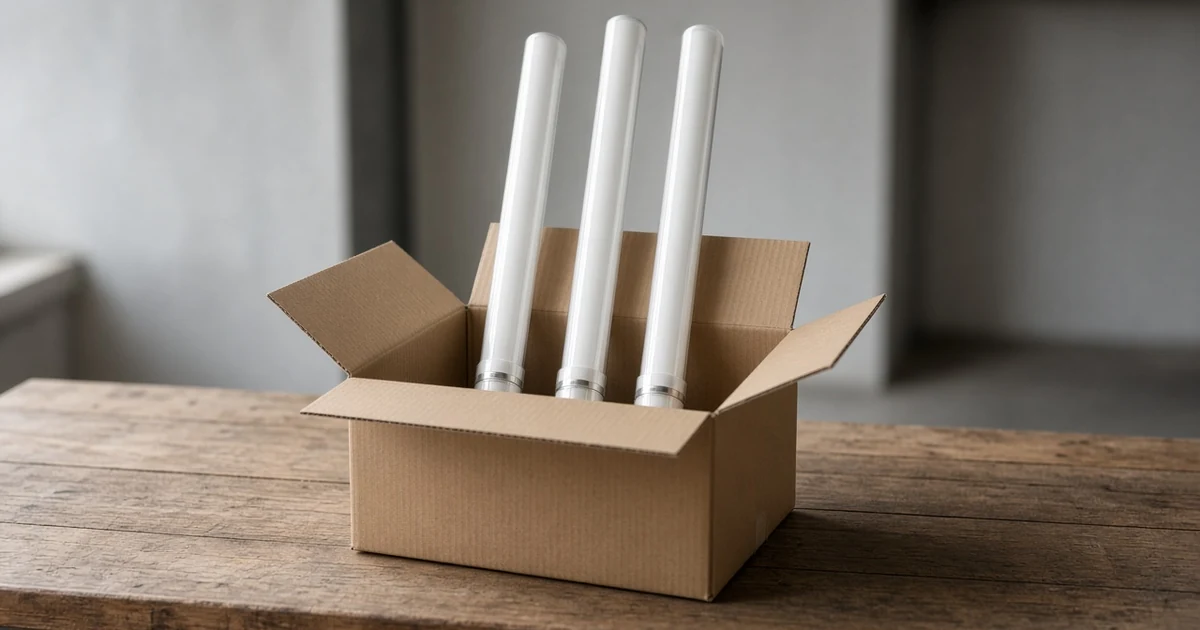
A burnt out fluorescent tube is not garbage. It is a regulated item with its own province wide recycling program, and you can drop it off for free. The same program takes CFLs and LED bulbs. This guide covers what BC's light recycling program accepts, how many you can bring at once, where to go in Metro Vancouver and what to do if a tube breaks.
Bulbs and tubes are items we cannot take in any bin, so this guide is about the right program.
Who runs the program
Product Care Recycling runs light recycling in BC. Its page says it makes it simple to recycle burnt out or unwanted bulbs and tubes with free drop off. The program began in BC in 2010 under the province’s recycling regulation, according to Product Care. The Recycling Council of British Columbia describes it as the province wide program for fluorescent tubes and compact fluorescent bulbs, and says it also includes other residential bulbs, including incandescent, halogen and LED.
What BC accepts
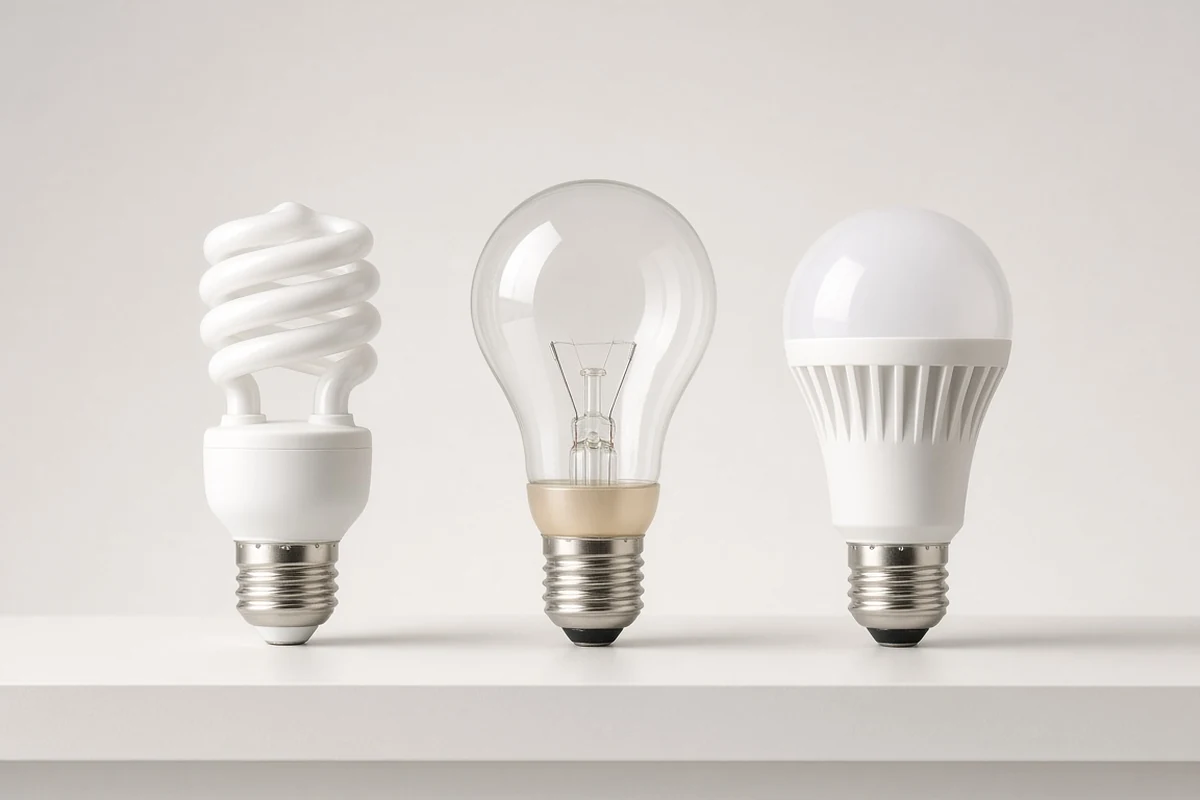
According to Product Care's BC page, the program accepts:
- Compact fluorescent lights (CFLs)
- Fluorescent tubes, including straight, curved, U, circular and square
- High intensity discharge (HID) and special purpose bulbs
- Incandescent and halogen bulbs
- Miniature bulbs
- LEDs
- UV and germicidal bulbs
- Light fixtures, ballasts and string lights
How many you can bring
Product Care's BC page says you can return up to 16 light bulbs (in any combination of types) and up to 16 tubes at once. You can return up to 5 light fixtures at once, although some locations may take more. If you have more than 5 fixtures, the page suggests calling the location first. Larger quantities go through a commercial volume program, which you can search on Product Care's locator.
The Recycling Council of British Columbia says depots can accept tubes of any shape or size up to 8 feet in length.
Where to drop them off
Drop off sites include recycling centres, bottle depots and retail stores. Use Product Care's recycling locator, or the Recycling Council of British Columbia's Recyclepedia, to find the nearest one. You can also call the RCBC Recycling Hotline.
In Metro Vancouver, the City of Vancouver lists fluorescent bulbs and tubes as accepted for free at the Vancouver Zero Waste Centre at 8588 Yukon Street. The City says the Vancouver South Transfer Station does not accept them. City of Vancouver pop up recycling events take light bulbs, and mini events take light bulbs but not light tubes. Check the City page for details and current events.
Because sites can change what they take, always check the location's own page before you go.
What about LEDs
LEDs are included in BC's program. Product Care's page lists LEDs among the accepted bulbs. You do not need to handle them as garbage because they are not fluorescent.
Safety: why tubes need care
Product Care's site guidelines explain that fluorescent bulbs, tubes and HID bulbs contain a very small amount of mercury. They are considered fine under normal conditions of use, but the risk comes if the bulb breaks. That is why you should handle them gently and keep them whole.
If a bulb breaks
The guidelines say a customer may bring small amounts of an accidentally broken bulb and the materials used to clean it up, such as paper towel or cardboard, as long as it is sealed in a plastic bag or glass container. The program does not accept liquid mercury, and it does not accept bulbs that were deliberately crushed. Ask the drop off location before you bring broken pieces.
Storing them until you can drop them off
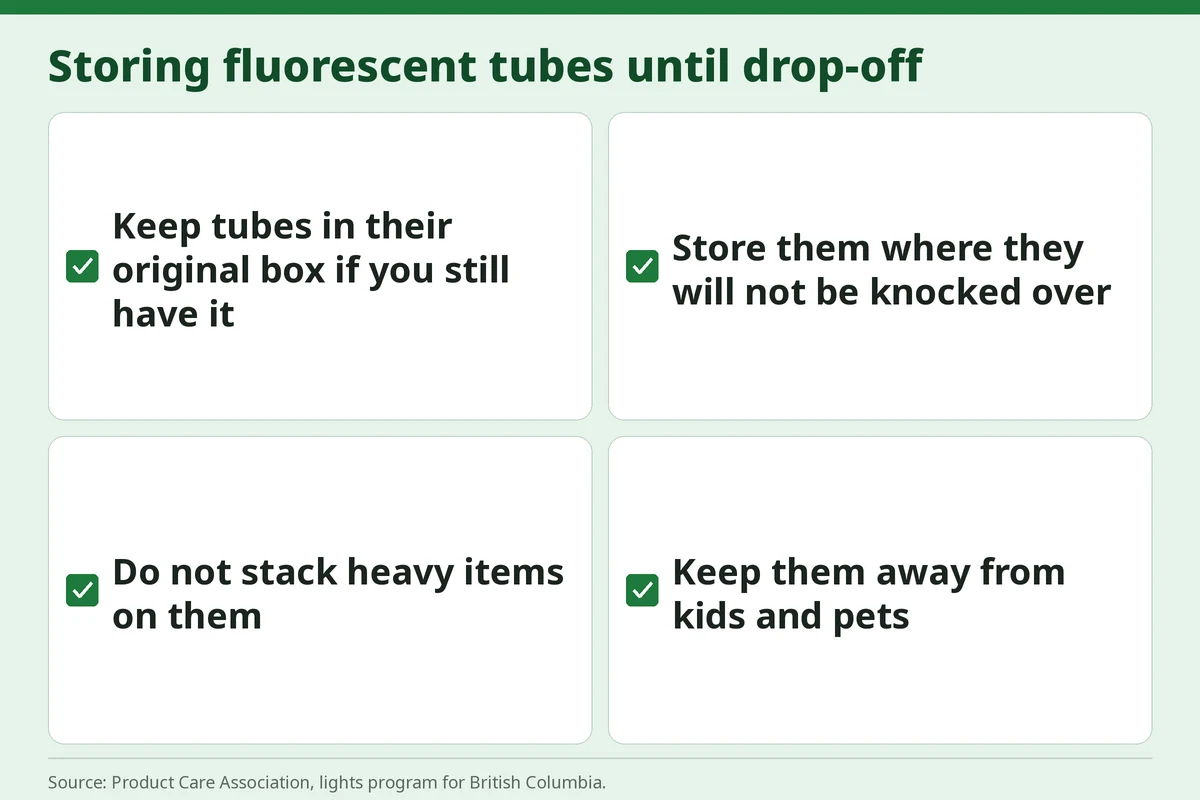
- Leave tubes in their original box if you still have it.
- Store them where they will not be knocked over.
- Do not stack heavy items on them.
- Leave them away from kids and pets.
Renos and bigger projects
If you are renovating, you may end up with a lot of tubes, ballasts and fixtures at once. For example, a basement or garage lighting swap can leave you with a pile of tubes. Product Care’s commercial volume option, and its limit of 5 fixtures per visit, are worth learning about before you load the car.
For the rest of the project, such as the old drywall, flooring and mixed debris, a bin is the practical choice. We deliver the bin, you load it, and Trash King hauls it away.
The 20-yard is our usual starting size for junk, cleanouts and renos. A 15-yard junk bin is sometimes available but is commonly sold out, so plan around the 20-yard. If you need another smaller size, ask when booking. If the job looks bigger when you call, we may suggest a larger bin. Details are on the 20-yard bin page.
Tubes, bulbs and ballasts stay out of the bin. Leave them in a box and take them to the drop off. Leave paint, propane, tires, fuel and electronics out of the bin. They never go in a Trash King bin. Our what not to put in a bin page lists the rest.
Permits depend on where the bin sits. No permit is needed for a bin on private property, like your driveway or yard. If the bin has to sit on the street, boulevard or lane, some cities need a permit, so check with your City first. Your strata or HOA can still have rules of its own. If yours does, apply with the City, and we will time delivery to any permit dates.
See our electronics page for where electronics and similar items go.
FAQ
Can I put a fluorescent tube in my garbage cart or in a bin? No. Tubes contain a small amount of mercury and have their own recycling program. They never go in a Trash King bin.
Is drop off free? Product Care says drop off of light bulbs and tubes is free.
How many can I bring? Product Care's BC page says up to 16 light bulbs and up to 16 tubes at once, and up to 5 fixtures.
Do LED bulbs go in the program too? Yes. Product Care lists LEDs as accepted in BC.
What if a tube breaks? Seal the pieces and the cleanup materials in a plastic bag or glass container and ask the drop off location whether it can accept them.