
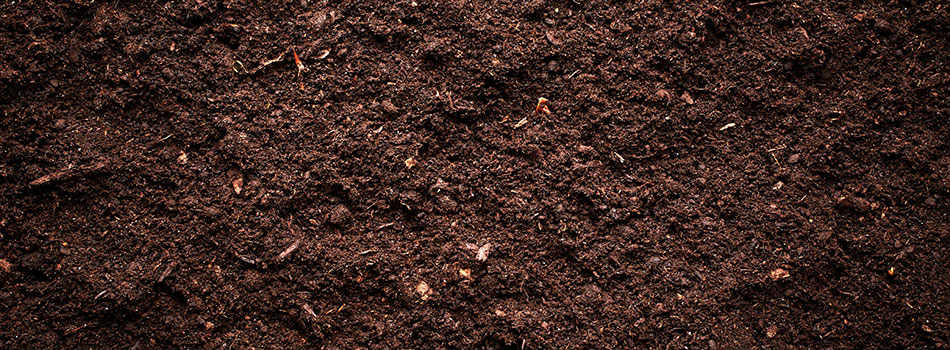
Dirt and soil disposal for Metro Vancouver landscaping and site work is a heavy-material decision. Volume estimates that work for furniture fail for fill. Trash King delivers DIY roll-off bins. You or your landscaping crew load the export soil. Then we haul. You load the bin; we deliver and pick it up. Call 604-433-5865 or email quotes@trashking.ca. Ask about current delivery availability when you call.
Call 604-433-5865 · quotes@trashking.ca · Mon-Fri 9:00-19:00, Sat-Sun 9:00-17:00 (America/Vancouver)
Related heavy material: concrete (related, not identical). Size overview: trash bins. Materials hub: materials we recycle.
When a disposal bin helps vs other options
A DIY dirt bin helps when grade changes, patio bases, pool digs, foundation excavations, or lot clearing leave excess soil that must leave the site. Landscapers and homeowners with crew labour already on site use the container as capacity, not as a digging service.
Municipal green-waste carts are not a substitute for exporting cubic yards of fill. Clean topsoil you intend to reuse on site should stay on site. Contaminated piles (roots, concrete chunks, pipe, garbage) need an honest mixed-load conversation. Do not assume every soil load is “clean fill recycling.” Confirm when you call.
If the project is mostly concrete demolition with a little soil stuck to it, start from concrete and describe the mix. If the project is mostly soil with a few masonry pieces, stay on this dirt URL and still name the contaminants.
Clean fill vs contaminated piles
Cleaner soil / fill (planning language): excavated dirt kept free of obvious garbage, large concrete pieces, and random construction trash. Still confirm handling for your load. Facility acceptance varies across Metro Vancouver.
Contamination that changes handling:
- Roots, brush, and green waste mixed through the pile
- Concrete chunks, pavers, and asphalt pieces
- Pipe, wire, plastic, and bagged garbage
- Painted soils, stained soils, or unknown fill from older sites
- Mixed patio tear-outs that combine soil with masonry
- Sod strips and landscape fabric tangled through the export pile
Describe the pile honestly. “A pile by the garage” is less useful than “mostly soil with some roots and a few concrete chunks.” Related masonry guidance lives on concrete. Do not treat dirt and concrete as the same material class.
Heavy-load warning
Soil is heavy. Wet Lower Mainland soil is heavier. A smaller bin that can be placed and hauled safely is often smarter than a large container packed deep with dirt. Confirm weight expectations when you call. We do not publish per-tonne rates or fixed weight caps on this page. If contractors speak in tandem-axle loads, translate that volume on the call rather than guessing from a photo.
Keep the load level with the rim. Do not mound above the fill line. Overfilled heavy bins create safety and haul problems. Rain overnight can add surprising weight to an open soil load. Plan haul timing with weather in mind when the pile will sit uncovered.
What typically belongs / what to confirm
Often discussed for dirt-focused DIY loads (confirm your mix):
- Excess excavated soil from landscaping and grade work
- Fill dirt that cannot stay on site
- Soil from patio or pathway base excavations when kept reasonably clean
- Export soil from pool digs and larger site cuts when described accurately
Confirm before loading:
- How much concrete, rock, or asphalt is mixed in
- Whether green waste shares the bin or should be separated
- Any suspect contamination from older sites
- Whether the project is really a mixed heavy load better planned as dirt-plus-concrete
- Whether new fill delivery is a separate order from export
Loading, driveway placement, and site protection
Driveway or private pad preferred. Wet soil stains and compaction matter on decorative concrete. Ask dispatch about placement preferences and protect surfaces if your contractor recommends it. Protection materials and labour are yours unless you hire separately. If the bin must sit on public property, confirm current municipal rules before delivery. Trash King does not apply for the customer’s permit.
- Clear truck path and turning room before delivery day
- Note soft ground, steep pads, and overhead wires
- Plan export separately from any new fill delivery. Do not assume one trucking cycle covers both
- Keep DIY scope clear: you load export debris
- Keep kids, pets, and parked cars out of the load zone while buckets or barrows run
Photos of the approach and the pile help when access is tight or the contamination story is complicated.
Size guidance for dirt loads
Live sizes are 10, 12, 15, 20, 30 and 40 yard. For heavy soil, start conservative and confirm on the call. Browse trash bins. A 10-yard or 12-yard often fits tighter pads and heavy material better than jumping straight to a large container. Mid sizes such as 15-yard or 20-yard may fit when access and weight allow. Larger sizes exist on the live menu. Heavy loads still need confirmation before upsizing.
- Small landscape grade change – often a smaller heavy-capable size
- Patio base export – describe soil vs paver/concrete mix
- Pool dig or large excavation – plan volume and possible swaps. Confirm weight
- Dirt plus concrete chunks – call it a mixed heavy load. See also concrete
- Multiple small piles across a lot – consolidate staging before delivery when you can
Homeowner vs landscaper language
Homeowners describe piles. Landscapers describe tandem loads and contamination. Either way, the call should include municipality, driveway access, whether the pile is mostly soil or mixed, approximate volume, and timing. Hours: Mon-Fri 9:00-19:00, Sat-Sun 9:00-17:00 (America/Vancouver). No public pricing tables on this page.
If a landscaper and a homeowner are both on site, decide who owns the loading plan before the truck arrives. DIY still means customer-side loading, whether that is the homeowner or the hired crew.
Estimating without fooling yourself
A cubic yard of soil is heavier than intuition suggests. Bucket counts, trench dimensions, and contractor tandem language are more useful than “medium pile.” If the dig expands mid-project, call before the bin is buried past a safe haul profile. Two well-planned loads often beat one overloaded container.
Combining patio demo with soil export is common. Say that mix aloud when booking. Mixed heavy loads are normal, but they should not be described as “just yard waste.”
After the bin leaves
Plan backfill delivery separately from export. Do not assume the same trucking cycle handles both unless you arrange it. Keep new soil deliveries from mixing into the export pile. If a second export wave is likely, schedule with the dig sequence rather than waiting until the driveway is blocked.
What this page will not claim
No per-tonne rates, no invented weight caps, no claim that every soil load is clean-fill recycling, and no street address for a yard. Confirm on the call. Soft timing language is availability confirmation only. We do not promise early-morning guaranteed drops on this page.
Landscaping project patterns that need a dirt bin
Grade corrections after a pool removal, raised patio builds, retaining-wall backcuts, and driveway base replacements regularly export soil that cannot stay on site. Each pattern has a different contamination profile. Pool removals may mix soil with concrete. Patio builds may mix soil with paver offcuts. Retaining walls may mix soil with drain rock and fabric. Name the pattern on the call so dispatch hears the real pile.
Seasonal landscaping rushes in Metro Vancouver often compress dig and export into the same week. Book the bin against the dig schedule, not against an optimistic finish photo. If the excavator will create a second wave of export after inspection changes, plan capacity early rather than stacking unsafe mounds beside a full container.
Driveway protection and neighbour-aware loading
Wet soil on decorative concrete is a common complaint after landscaping exports. Plywood runners, temporary mats, or contractor-preferred protection can help. Those materials and the labour to place them remain on the customer side in a DIY model. Tell dispatch if the only pad is a finished driveway you need to protect.
Shared driveways and strata lanes need clearer notes than “tight.” Say whether other households must pass the truck path, whether overhead wires limit dump height, and whether soft shoulders will rut under a loaded pull. Prefer private property. Confirm municipal rules before any public-property placement. Trash King does not apply for the customer’s permit.
Keep hose-down plans realistic. Mud tracking onto sidewalks can create neighbour issues even when the bin itself is correctly placed. Load with the rim in mind and stop before the pile becomes a spill risk on haul day.
Clean fill language without over-promising
People search for clean fill recycling because they hope soil has a second life. Sometimes cleaner excavated soil can follow recovery-minded handling. Sometimes mixed or stained soils cannot. This page will not declare your pile clean fill from a photo description. Confirm when you call. Roots, concrete chunks, garbage, and unknown fill from older lots change the story quickly.
If you also need new soil delivered, treat import and export as separate logistics unless you explicitly arrange otherwise. Do not let fresh deliveries spill into the export bin. See concrete when masonry dominates, and stay on this dirt URL when soil is the primary material with only incidental chunks.
Green waste mixed through soil is not the same as a yard-waste cart load. Confirm whether organics should be separated before loading. Facility variance is real across the region.
Pool digs, retaining walls, and patio rebuilds
Pool digs and removals often combine soil with concrete shell pieces. Say that mix early. Retaining-wall rebuilds may export cut soil plus old drain rock. Patio rebuilds may export base material with paver fragments. Each is a heavy-load conversation first and a recycling story second, if at all.
When an excavator is on site for only one day, the bin plan has to match machine time. An undersized container that fills before lunch creates double handling. An oversized container that cannot be placed safely helps no one. Confirm access and weight together. Browse trash bins for live sizes, then let dispatch help match the heavy-material reality of your dig.
Confirm-when-you-call checklist for dirt
Before you dial, note municipality, private driveway vs public placement intent, mostly-clean soil vs mixed contamination, approximate volume or excavator load count, and whether concrete or green waste shares the pile. That checklist keeps the first conversation useful and reduces surprise handling changes after the truck is already booked.
Frequently asked questions
Do you dig or load the dirt for me?
No. DIY roll-off only. Your crew loads. We deliver and haul.
Why do I have to confirm weight on a dirt bin?
Soil is a heavy material class. Volume that looks modest can already be at a practical limit. Confirm when you call. We do not publish fixed caps here.
Is dirt the same as concrete disposal?
No. Related, not identical. Concrete chunks mixed into soil change the conversation. See concrete and describe the mix honestly.
Can roots and yard waste share the dirt bin?
Sometimes as a mixed load, but that is not the same as a clean fill plan. Confirm organics and contamination on the call.
Where should the bin go?
Private driveway or pad preferred. Confirm municipal rules before public-property placement.
What sizes are on the live menu?
10, 12, 15, 20, 30 and 40 yard. Start at trash bins.
Ready to export soil from a Metro Vancouver project?
Call 604-433-5865 or email quotes@trashking.ca. Describe clean fill vs mixed contamination, driveway notes, and approximate volume so we can match a heavy-load plan on the first conversation.