
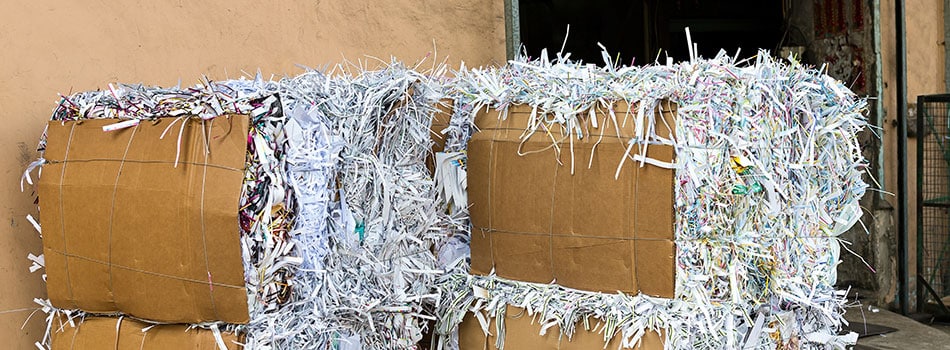
Paper and cardboard are common in Greater Vancouver office cleanouts, retail overstock, and home moves—but “recyclable” is not the same as “put it in any DIY roll-off.” Trash King rents DIY bins across Metro Vancouver: you load; we deliver and haul. We are not a labour junk crew. This page helps you decide what is generally suitable for a paper/cardboard-minded load, what to confirm when you call, and what not to put in the bin. Link to sizes on trash bins, sibling materials like organics and household garbage, and commercial or residential hubs. Call 604-433-5865 or email quotes@trashking.ca. Ask about current delivery availability when you call.
Blue bin vs DIY roll-off
Municipal blue bins handle ongoing curbside recycling. A Trash King roll-off is for bulk volume—office purges, warehouse cardboard, or move-out paper mountains. The decision questions are still the same: Is the paper clean and dry? Is it mixed with non-paper junk? Does anything need a separate path? Answer those before you load.
Generally suitable for a paper / cardboard-minded load
- Clean, dry corrugated cardboard (flattened when practical)
- Office paper, letterhead, and copy paper kept dry and relatively free of food grease
- Newspapers, flyers, and magazines without heavy plastic wrap
- Junk mail and mixed clean paper when not soaked or food-contaminated
- Bulk cleanouts where paper is the dominant stream and plastics/metals are staged out
- Retail or warehouse cardboard runs kept separate from food waste and packing foam
Keep the stream as dry and clean as you can. Wet or greasy paper behaves more like garbage than a recycling-minded load.
Confirm or separate when you call
- Shredded paper in volume (can behave differently than sheet paper in sorting systems)
- Mixed paper with binders, hanging folders, plastic covers, and miscellaneous office junk
- Waxed, plastic-coated, or heavily laminated paper products
- Books with hard covers or mixed media inserts
- Whether you need a paper-focused load vs a mixed cleanout bin for the rest of the project
- Sensitive documents: confirm handling expectations before loading confidential paper into any open roll-off
- Toner cartridges, electronics, and IT gear found in the same filing-room purge
Do not put in the bin
- Hazardous waste, chemicals, and liquids
- Electronics, batteries, and e-waste without confirmation (see electronics)
- Asbestos or suspect older-building materials—do not load until confirmed
- Greasy pizza boxes and heavily food-soiled paper when you are aiming for a clean paper stream (use organics/garbage guidance instead—confirm path)
- Thermal receipts and carbon paper when a clean paper path is the goal
- Needles, medical waste, and other biohazards
- Wet, mouldy paper that has turned into a contaminated mess—describe it when you call
How to load
Flatten cardboard to reclaim volume. Keep paper dry—cover if rain is expected. Remove obvious plastic sleeves and packing foam when you want a cleaner paper stream. Bundle or contain loose shred if advised after you call. Do not overfill past the bin’s fill line. DIY loading only. If the cleanout also includes desks, carpet, or renovation debris, stage those separately or plan a mixed debris approach via renovation debris / household garbage after you confirm.
Contamination and mixed loads
One greasy bag or a pile of wet paper can change how a load is handled. Blue-bin habits do not automatically transfer to a large roll-off. Tell us if the load is mostly cardboard, mostly office paper, or a mixed office purge with non-paper items. That conversation beats assuming “recycling” equals “any bin.”
Before you book — quick checklist
- Dominant material: cardboard, office paper, shred, or mixed?
- Any food soil, liquids, electronics, or confidential documents?
- Approximate volume and whether the pile is dry
- Site access and who will load (DIY only)
How to book
Call 604-433-5865 or email quotes@trashking.ca with material type, approximate volume, site address in Greater Vancouver, and whether paper must stay separate from other debris. Ask about current delivery availability when you call. Size options: trash bins.
Office and warehouse cleanouts
Bulk paper jobs rarely stay “paper only.” Filing rooms hide binders, plastic sleeves, hanging folders, and orphaned electronics. Stage non-paper items first. If the goal is a cleaner cardboard/paper stream, keep foam, shrink wrap, and strapping out of the pile. For mixed office debris that will never be a clean paper load, plan a mixed cleanout conversation instead of forcing a recycling label onto contaminated material.
Retail and warehouse cardboard runs work best when boxes are flattened and kept dry. Wet loading docks after rain can ruin an otherwise clean cardboard stream—cover the bin or load under cover when weather is an issue.
Frequently asked questions
Is a DIY roll-off a substitute for the municipal blue bin?
Not exactly. Blue bins are for ongoing curbside recycling. A roll-off is for bulk volume. Rules and contamination expectations still matter—confirm your stream when booking.
Can shredded paper go in the same load as cardboard?
Ask first. Large volumes of shred can need different handling than sheet paper and cardboard.
What about greasy or food-soiled paper?
Treat it as a contamination risk for a clean paper load. Confirm whether it belongs with organics guidance or mixed garbage instead.
Do you provide labour to purge filing rooms?
No. DIY roll-off only—you load; we haul.
Can I mix paper with renovation debris?
Sometimes a mixed cleanout is planned; sometimes separation is better. Describe the mix when you call so we can advise before you load.