
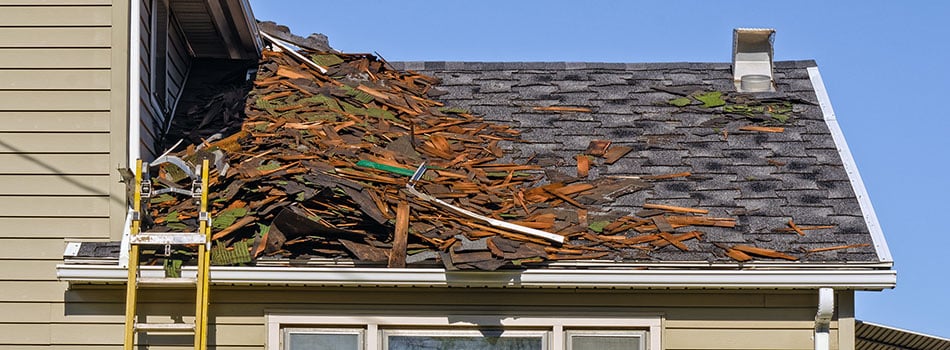
Roofing tear-off debris needs a DIY roll-off plan built around weight, not just looks. Asphalt shingles, underlayment, and related tear-off materials pack dense, especially when damp from Lower Mainland weather. Trash King delivers disposal bins across Metro Vancouver. Roofing crews or homeowners load the tear-off. Then we haul the bin. We are not a roofing labour crew. We are not a junk-removal labour crew. Call 604-433-5865 or email quotes@trashking.ca. Ask about current delivery availability when you call.
Call 604-433-5865 quotes@trashking.ca · Mon-Fri 9:00-19:00, Sat-Sun 9:00-17:00 (America/Vancouver)
Related: new construction waste, trash bins, and wood or metal recycling when those streams are separated on purpose.
When a disposal bin helps vs other options
A DIY roofing bin helps when a reroof or tear-off will generate a concentrated pile of shingles and underlay that needs to leave the site on a schedule. Contractors load as layers come off. Homeowners managing a contractor-backed reroof use the same tool when labour is already on site.
Municipal recycling carts are not built for a full asphalt tear-off. Clean scrap metal flashings pulled aside may belong in a metal conversation when volumes justify separation. Major plywood deck replacements may need a wood-focused plan. Do not invent universal shingle recycling rates or facility acceptance lists on this page. Facility rules vary. Confirm the mix when you call.
If the project is really a full gut-and-rebuild that only happens to include roofing, widen the conversation toward new construction waste rather than forcing every material into a roofing-only story.
What typically belongs in a roofing tear-off bin
Often loaded (still confirm your specific mix when booking):
- Asphalt shingles from one or more layers
- Underlayment and related tear-off membrane scraps from the same job
- Roofing nails and small scrap generated with the shingles
- Modest packaging from new materials when allowed in the same plan
- Small amounts of damaged sheathing pulled with the tear-off when described up front
Confirm or separate when you call:
- Torch-on, cedar shakes, metal panels, tile, or tar-and-gravel systems (name the roof type)
- Large metal flashings or panels staged for a cleaner metal path
- Dimensional lumber or sheathing from a deck rebuild
- Household junk from a garage cleanout happening beside the reroof
- Coatings, solvents, and other leftovers that need special handling
- Older-building materials that may need hazardous confirmation before loading
This is planning guidance, not a universal accepted/banned list. When unsure about an older roof or unusual coating, pause and get appropriate guidance before loading.
Weight, weather, and heavy-load confirmation
Shingles stack heavy. Multiple layers multiply weight quickly. Rain adds more. A bin that looks only partly full can already be at a practical limit. Tell dispatch approximate roof size (squares help), how many layers you expect, and the roofing type. Confirm weight expectations when you call. We do not publish fixed weight caps or per-load rates on this page.
Load flat and even. Keep material below the fill line. Do not peak shingles above the rim. If the tear-off will exceed one container, plan a swap while layers are coming off, not after the driveway is buried. Wet shingles from a storm delay still count as heavy material. Do not assume a second layer fits because the first layer left empty-looking space.
Old roofs may involve materials that need testing or special handling. When asbestos or other hazardous status is unclear, do not load until confirmed.
DIY contractor loading and site logistics
Your crew (or you) loads. Keep a clear path from the drop zone or toss area to the bin. Protect landscaping and walkways along the load path if needed. Prefer a private driveway when the lot allows. If the bin must sit on public property, confirm current municipal rules before delivery. Trash King does not apply for the customer’s permit.
- Note steep pads, shared driveways, overhead wires, and tight turning room
- Coordinate bin arrival with tear-off day so material is not double-handled
- Keep kids, pets, and parked cars out of the drop and load zone
- Separate obvious non-roof junk before the first shingle lands in the bin
- Brief every labourer on the fill line and any items that must stay out until confirmed
Photos of the approach help on tight Vancouver-area lots. Say whether the planned spot is private property or public land so dispatch can plan correctly.
Size guidance for roofing projects
Live sizes are 10, 12, 15, 20, 30 and 40 yard. Browse trash bins. For dense roofing loads, a well-fitted mid size with an honest weight conversation often beats upsizing into a container that cannot be placed or hauled as expected. Tight residential pads may fit a 10-yard or 12-yard more cleanly. Larger roofs and multi-layer tear-offs may need a 15-yard, 20-yard, or larger unit when approach and weight allow. Confirm before upsizing.
- Single-layer asphalt on a modest house – often a mid size when access allows. Still confirm weight
- Multi-layer tear-off – plan for denser loading and possible swap timing
- Torch-on / cedar / metal – name the system on the call. Do not assume asphalt handling
- Reroof plus framing debris – see also new construction waste if the mix is broader than roofing
- Large commercial flat roof – describe area, system type, and access. Size is not automatic from “commercial”
Roofing vs broader construction debris
A pure tear-off is different from a full gut-and-rebuild that also dumps drywall, framing offcuts, and packaging into the same container. If the project is really a mixed construction load, say so. The new construction waste page covers job-site mixed debris. Keep this URL focused on roofing tear-off planning, then widen the conversation on the call when the mix expands.
Separated flashings may belong in a metal recycling conversation. Large sheathing replacements may need a wood mindset if volumes are high and kept reasonably clean. Do not invent a perfect sort on the fly if the job is already a mixed pile.
Homeowner and contractor call checklist
- Roofing type (asphalt, cedar, torch-on, metal, tile, tar-and-gravel, other)
- Approximate squares and layer count
- Driveway vs street placement intent
- Whether garage junk or other debris will share the bin
- Whether a swap mid-tear-off is likely
Hours: Mon-Fri 9:00-19:00, Sat-Sun 9:00-17:00 (America/Vancouver). Quotes come from the real mix and access notes. No public pricing tables on this page.
Asphalt, underlay, and wood on the same job
Most residential reroofs center on asphalt shingles and underlay. When plywood decking is replaced in sections, wood volume can rise quickly. Keep the call honest about how much sheathing will join the shingle pile. If wood volumes dominate, pair this page with wood guidance and confirm whether a mixed plan or a more wood-focused plan fits better.
Underlayment is part of the tear-off story. Do not treat it as weightless packing. Name membrane systems when they differ from standard felt-style underlay so handling questions can be asked early.
What this page will not claim
We will not invent shingle recycling percentages, name facilities as guaranteed acceptors, or publish pricing. Programs and facility rules change. Confirm handling for your roof type and municipality when you book. Soft timing language on this site is availability confirmation only. We do not promise early-morning guaranteed drops on this page.
Planning squares, layers, and haul timing
Roofers often estimate in squares. Translating squares and layer count into a bin plan is more reliable than saying “average house.” A single-layer tear-off and a three-layer tear-off are different weight conversations even when the footprint looks identical from the street. Mention valley metal, chimney flashings, and whether plywood is coming off in sheets or only in patches.
Haul timing matters as much as size. If tear-off starts mid-morning and the driveway is the only staging area, the bin should arrive before the first squares come down. If rain is forecast, decide whether to tarp staged piles or schedule a faster swap so soaked shingles do not sit uncovered overnight. Soft timing on this site is still availability confirmation only. Build the schedule with dispatch rather than assuming a locked window.
When a second bin or mid-day swap is likely, say that on the first call. Planning two controlled loads is usually safer than packing one container past a practical heavy-load profile. Keep the fill line honest even when the crew is racing daylight.
Residential street access notes for Metro Vancouver reroofs
Many Greater Vancouver lots share narrow driveways, boulevard trees, and limited truck swing room. Describe parking restrictions, low wires, and whether the truck must back in from a busy street. Prefer private driveway placement when it fits. If public property is the only workable spot, the customer confirms current municipal rules before delivery. Trash King does not apply for the customer’s permit.
Protect soft landscaping along the toss path when crews are throwing bundles from roof edge to ground staging. Keep walkways clear for occupants when the home stays occupied during the reroof. Pets and kids need a hard boundary around the drop and load zone for the whole tear-off day.
Condo or strata projects add another layer: loading docks, visitor parking rules, and quiet-hour expectations. Name those constraints early so the bin plan matches the property’s real access, not a detached-house assumption.
Mixed tear-off vs clean shingle story
A clean asphalt tear-off plan fails when garage junk, yard waste, or renovation debris is tossed in “because there is room.” Contaminants change handling and can waste the weight budget that should have gone to shingles. Stage non-roof materials elsewhere or confirm a mixed-load plan before the first bundle lands in the container.
Cedar, torch-on, metal panel, and tile systems each need an explicit call-out. Do not assume asphalt recycling narratives apply. This page will not invent facility lists or recovery percentages. Confirm handling for the system on your roof when you book.
If the reroof is part of a larger addition or new-build sequence, keep a thread open to new construction waste so framing and packaging debris have a home that does not silently overload the roofing container.
Working with roofing contractors on DIY bins
Trash King supplies the container. The roofing contractor supplies tear-off labour and loading. Keep that split clear in writing with your crew so nobody expects a junk-labour team to arrive with the truck. Ask the foreman who will meet delivery, where bundles will stage, and how nail cleanup will stay out of landscaping and neighbour driveways.
If multiple roofing crews rotate through a strata or multi-building schedule, assign one person to own bin cleanliness and fill-line enforcement. Shared containers without ownership rules fill with non-roof junk first. Confirm swaps before a building’s tear-off day ends so overnight piles do not block fire lanes or visitor parking.
Frequently asked questions
Do you strip the roof or load the shingles for me?
No. Hire roofers for tear-off labour. Trash King provides DIY roll-off delivery and haul-away. Your crew loads the bin.
Why does a half-full roofing bin still need a weight conversation?
Asphalt and underlay are dense. Volume that looks light can already be heavy. Confirm expectations when you call rather than packing to the rim.
Can cedar, torch-on, or metal roofs use the same plan as asphalt?
Not automatically. Name the roofing system when you book so handling matches the material.
What sizes can I rent?
Live sizes are 10, 12, 15, 20, 30 and 40 yard. Start at trash bins and match size to access plus weight.
Can I toss garage junk under the shingles?
Do not contaminate a roofing load casually. Separate household junk and confirm mixed loads when you call.
Where should the bin sit?
Driveway preferred. Confirm municipal rules before any public-property placement. We do not apply for the customer’s permit.
Ready to plan a roofing tear-off bin?
Call 604-433-5865 or email quotes@trashking.ca with roof type, approximate size or squares, layer count, and driveway notes. Pair this page with trash bins and new construction waste when the job expands beyond tear-off debris.