
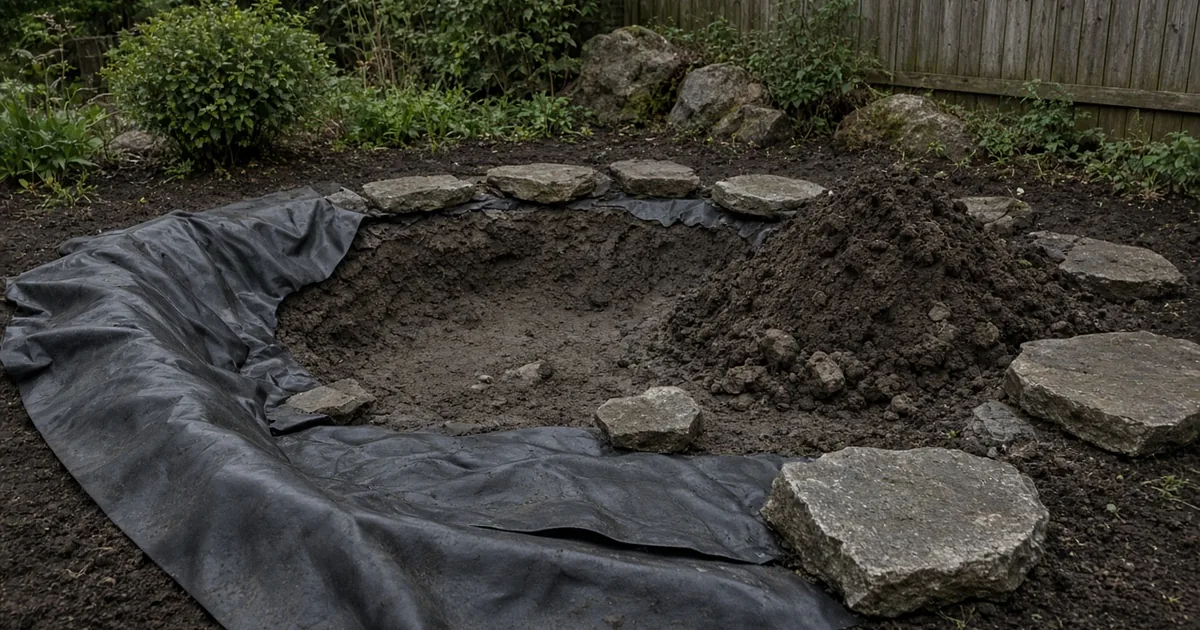
A garden pond looks small until you take it apart. There is the water, the fish and plants, a liner or preformed shell, the gravel and stone around it and the soil underneath. Each one needs a separate plan.
Call before you dig
BC 1 Call's homeowner page lists tree planting and digging a garden, among other outdoor jobs, as work that needs a locate request. Filling a pond often means moving soil. The service is free.
The fish and plants come first
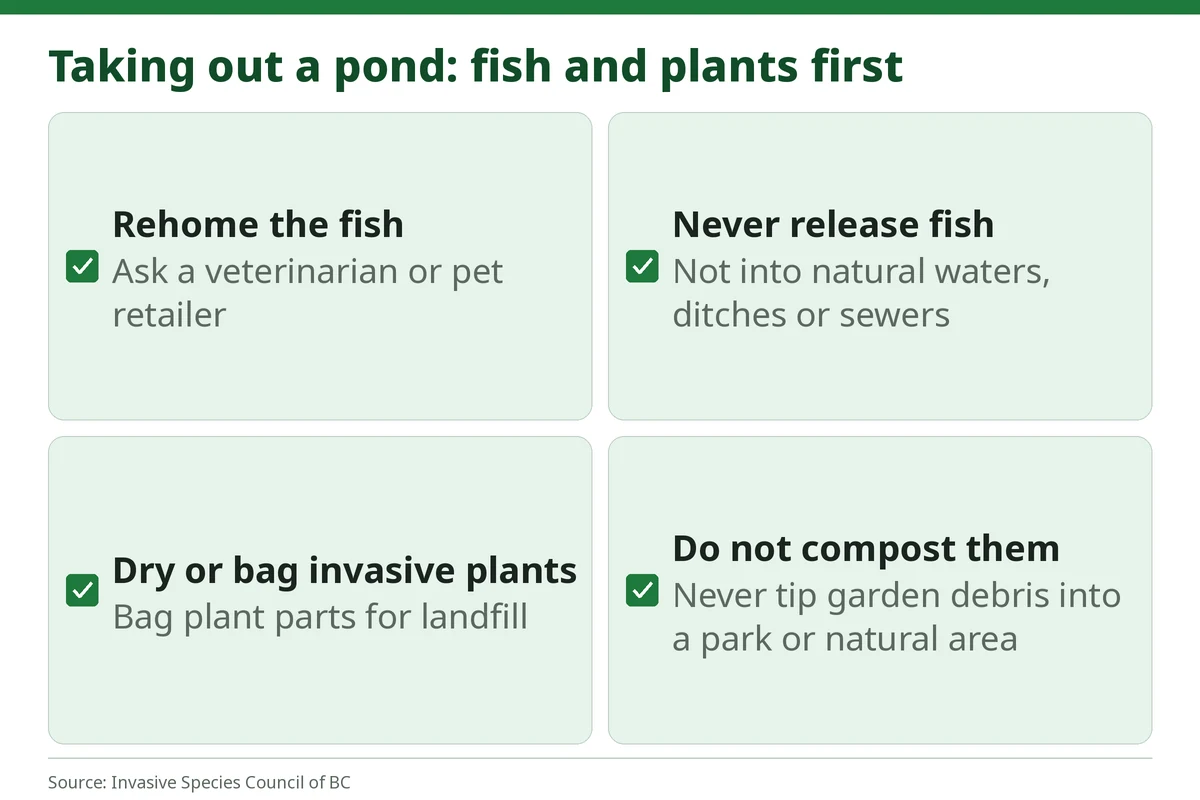
BC's Invasive Species Council says garden ponds should remain closed systems that do not drain into natural waterbodies. It says unwanted aquarium pets must never be released into natural waters, drainage ditches or sewers, and it points you to a veterinarian or pet retailer for guidance about humane disposal of live animals.
Pond plants matter too. The Council says many garden pond plants are not native to BC, and that horticultural species such as yellow flag iris, purple loosestrife and knotweed can escape into wetlands through seeds or plant parts, including through improper disposal of garden waste. For invasive plant parts it suggests drying them or bagging them for landfill, avoiding composting them and not tipping garden debris into a park or natural area. Call 1 888 933 3722 for the Council's help finding your regional committee.
The water
Pond water should not go to a creek, ditch or natural waterbody, in line with the closed system advice above. Keep it out of street drains too, and ask your city where pond water can be drained. Vancouver's bulletin on pools makes the same point about storm drains, saying water sent to them ends up in the nearest body of water.
Liner, pump and fountain
A flexible liner or a preformed shell can be cut into sections for disposal. Pumps are electrical items and should be kept apart from the rest. Surrey's large item pickup list says water fountains are not accepted, so ask your city whether any of the equipment fits a local program.
Gravel, stone and soil
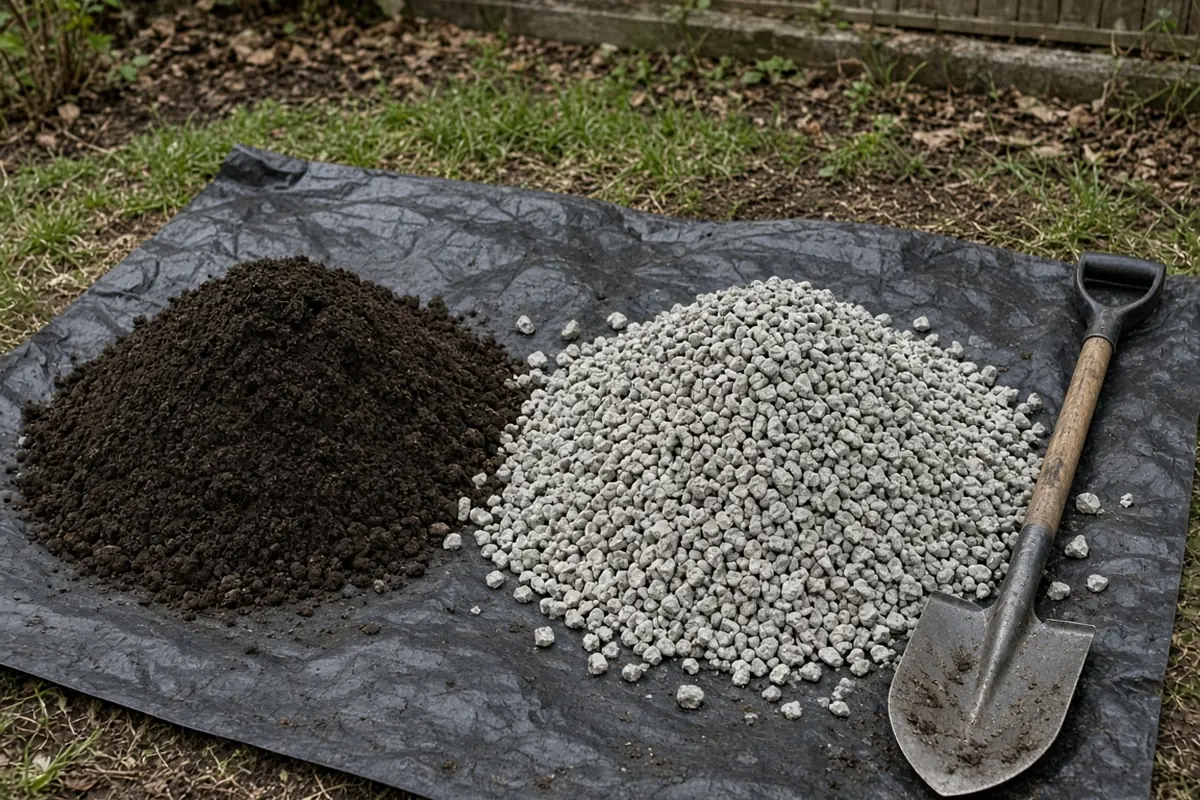
Gravel, drain gravel and landscape stone are heavy, and they are not dirt. Dirt goes in its own 10 or 12-yard bin and never in a larger one. Metro Vancouver lists soil, sod, gravel, concrete and asphalt over 0.5 cubic metres per load as banned inert fill at its disposal facilities. If a concrete edge or pad surrounds the pond, concrete goes in its own 10 or 12-yard bin as well. Sometimes a mixed concrete and dirt bin, also a 10 or 12-yard, is possible for an added fee. Gravel goes in its own 10 or 12-yard bin or in with sand, and landscape stone is a question for the booking call. See our dirt page, our concrete page and our post on dirt and soil disposal.
Permits are not needed when the bin sits on your driveway. A street or lane spot is different, since some cities need a permit for it. Confirm with your City before you book. We set delivery for any permit dates.
FAQ
Can I release my pond fish into a creek? No. BC's Invasive Species Council says never release unwanted aquatic pets into natural waters. Ask a veterinarian or pet retailer.
Can I compost pond plants? The Council advises against composting invasive plants. It suggests drying them or bagging them for landfill.
Can I mix gravel and dirt in one bin? No. Dirt goes in its own bin. Gravel goes in its own 10 or 12-yard bin or with sand.
Do I need to call before I dig? BC 1 Call lists digging a garden among projects that need a locate request. It is free.