
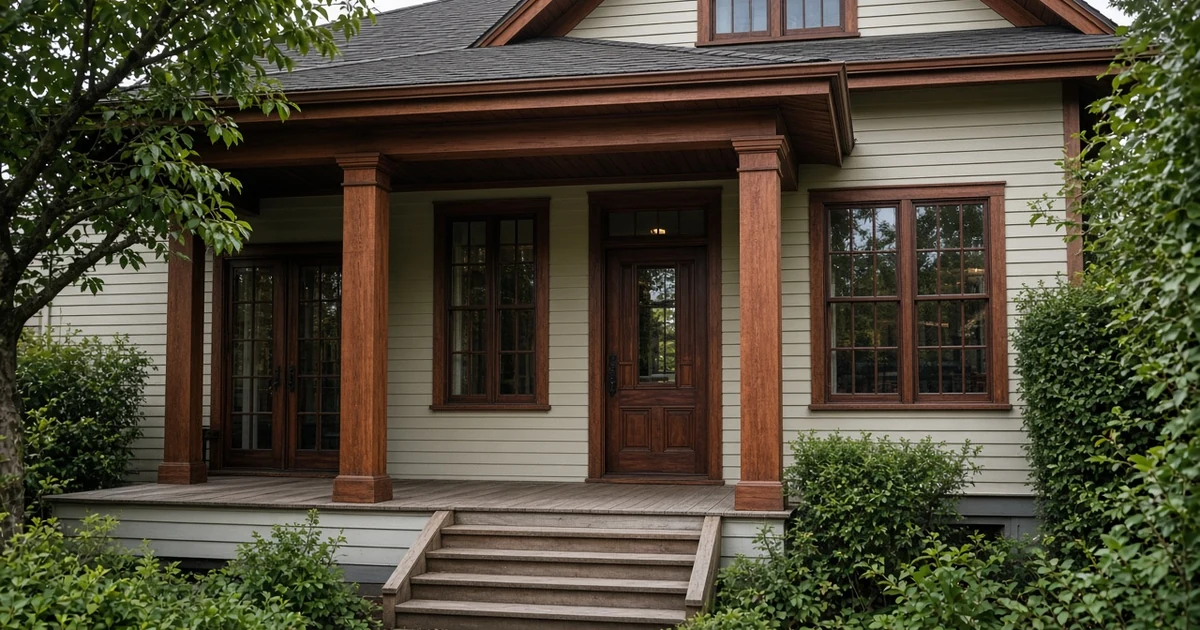
New Westminster has some of the oldest houses in Metro Vancouver, and renovating one is different from renovating a newer build. The walls may hide materials that need testing, the City may care about what you change, and the debris that comes out needs a plan. This guide covers the order of work, starting with a test first rule, and then how to get the old material out of the property.
This is general information, not legal or professional advice. For heritage questions, ask the City. For hazardous materials, ask a qualified professional.
Test first, then demolish
Before you pull out plaster, flooring, insulation or anything else in an older home, find out what it is made of.
Asbestos
WorkSafeBC says exposure to asbestos can cause serious long term health issues and even death, and that it can be present in many areas of older buildings. Its page says: if you suspect asbestos is present, do not touch or move it. It also says never to assume a building material is free of asbestos, because you cannot tell just by looking at it. If you suspect asbestos, stop work immediately and have a qualified asbestos professional complete an asbestos survey.
WorkSafeBC adds that if asbestos is found, the law requires employers to hire a qualified abatement contractor to remove it, and that a notice of project must be submitted to WorkSafeBC for all asbestos work. Its page also says asbestos abatement contractors must be licensed to operate in BC. WorkSafeBC's homeowner pamphlet says that as a homeowner, you need to get your home tested for asbestos before renovating.
Asbestos containing material never goes in a Trash King bin. Asbestos needs professional assessment and handling.
Lead paint
Lead paint is a separate concern in older homes. WorkSafeBC's lead page says lead has commonly been used in paints and coatings, that it can still be found in many old homes, and that removing lead based paint or demolishing walls coated with it can release lead dust into the air. Read that page before you sand, scrape or burn old paint, and ask a qualified professional if you are unsure.
What the City says about heritage
The City of New Westminster says it values the retention and restoration of its historic buildings. Its heritage page lists tools including the Heritage Register, Heritage Designation, Heritage Conservation Covenants and Heritage Alteration Permits. It says that if a building is older than 50 years, it may have heritage value, and that before a demolition permit is accepted for a building older than 50 years the City will review the building to identify any heritage value.
The City suggests contacting its Planning Division if you are buying or selling a property with heritage value, to learn about the implications. Do that before you start work, not after.
Our guidance here covers debris, not permits. Permit rules vary by project, so confirm with your City about building, tree and suite permits.
What typically comes out of an older home
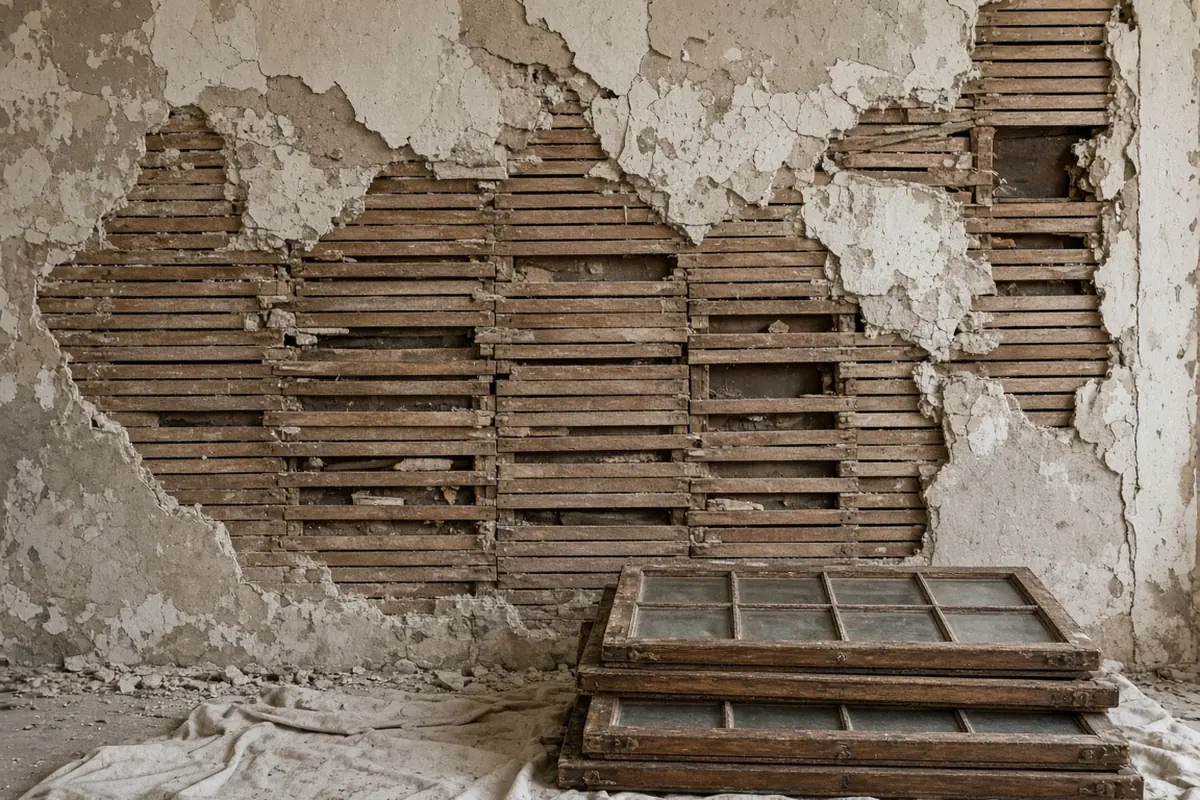
The list below is general. Every house is different.
- Plaster and lath
- Old flooring and subfloor
- Cabinets, fixtures and tile
- Insulation
- Wood trim, doors and windows
- Wiring and plumbing
Some items may need testing first. Others may be reusable. Heritage trim, doors and windows may have value to you or to a reuse shop, so set them aside before you demolish.
Sorting the debris
- Hazardous or unknown materials. Stop and test. Do not break them up.
- Reusable items. Trim, doors, hardware and fixtures.
- Metal. Pipes, fittings and old fixtures can go to scrap metal. See our renovation debris page for how that fits with bin work.
- Mixed debris. Plaster, lath, flooring and general reno waste.
- Wood. Clean wood is unpainted wood only, and nails are fine. Older wood is often painted, so it may not qualify. Treated wood is handled differently, so mention it when you order. It cannot go in a clean wood or yard load.
- Drywall, concrete and dirt. Each goes in its own separate bin.
Choosing a bin
We deliver the bin and haul it away. You handle the loading. The 20-yard is our usual starting size for junk, cleanouts and renos. A 15-yard junk bin is at times available, though it is commonly sold out, so plan around the 20-yard. Ask us about other smaller sizes when you book. You can read more on the 20-yard bin page.
A heritage renovation often produces a lot of debris over several weeks. Keep the bin close to the work so you load as you go and keep the site tidy.
No permit is needed for a bin on private property, like your driveway or yard. Some cities need a permit for a bin on the street, boulevard or lane, so confirm with the City before you book. Strata or HOA rules can still apply. If yours does, apply with the City, and we set delivery for any permit dates. In New Westminster, that means the City of New Westminster.
These never go in a Trash King bin: paint, propane, tires, fuel and electronics. You can see everything else on the list on our what not to put in a bin page.
Add a mattress or box spring to the load as an add on for an added fee, and let us know when you book.
Our New Westminster page covers local service.
Regular garbage and the City's rules
For household garbage, the City of New Westminster says garbage is collected every two weeks and asks residents not to overfill carts. Renovation debris is not regular household garbage, so do not use the cart for it. Check the City's page for the current rules.
A simple order of work
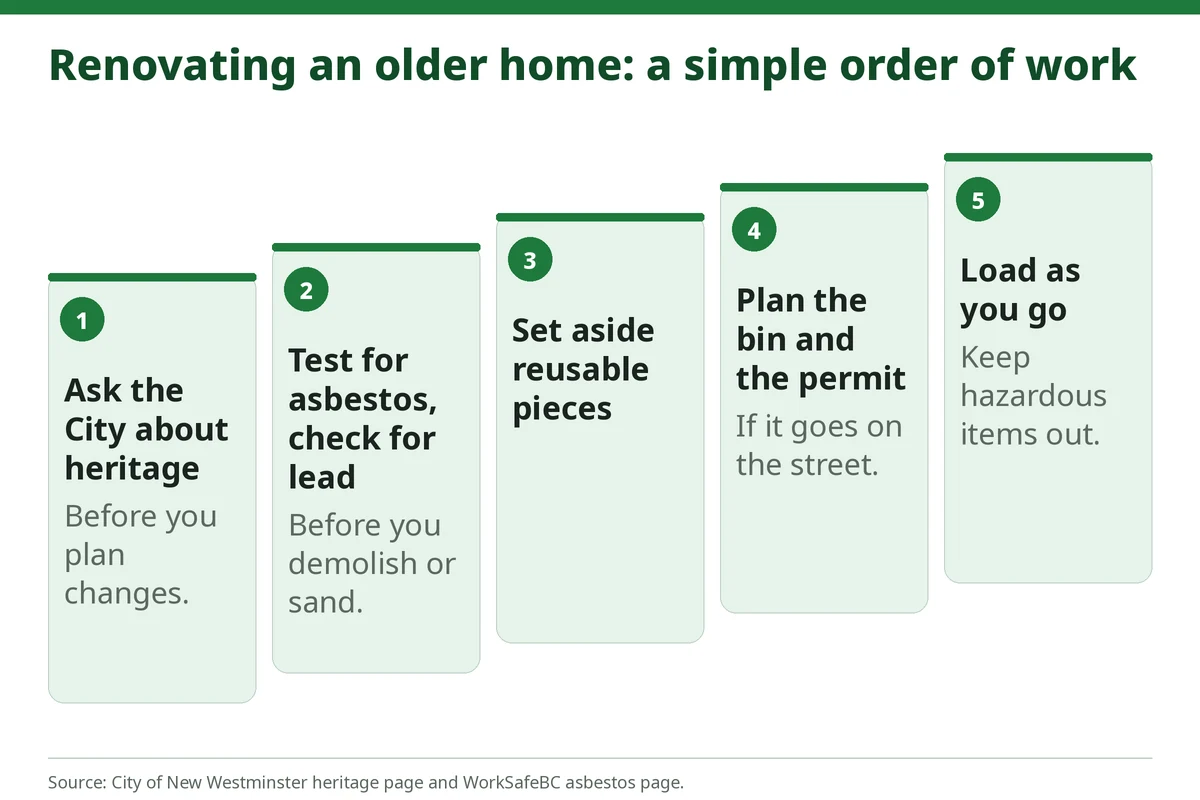
- Ask the City about heritage before you plan changes.
- Test for asbestos and check for lead before you demolish or sand.
- Set aside reusable pieces.
- Plan the bin, and ask the City whether a street spot needs a permit.
- Load as you go and keep hazardous items out.
FAQ
Do I need to test for asbestos before a renovation? WorkSafeBC says never to assume a material is free of asbestos and says homeowners need to get their home tested before renovating.
Can I put asbestos in a bin? No. It needs professional assessment and handling.
Does the City care about the age of my house? The City says a building older than 50 years may have heritage value and is reviewed before a demolition permit is accepted. Contact the City's Planning Division.
What size bin should I order? Plan on the 20-yard for renos, which is the common start. Other sizes? Ask when booking.
Does painted wood count as clean wood? No. Clean wood is unpainted wood only.