
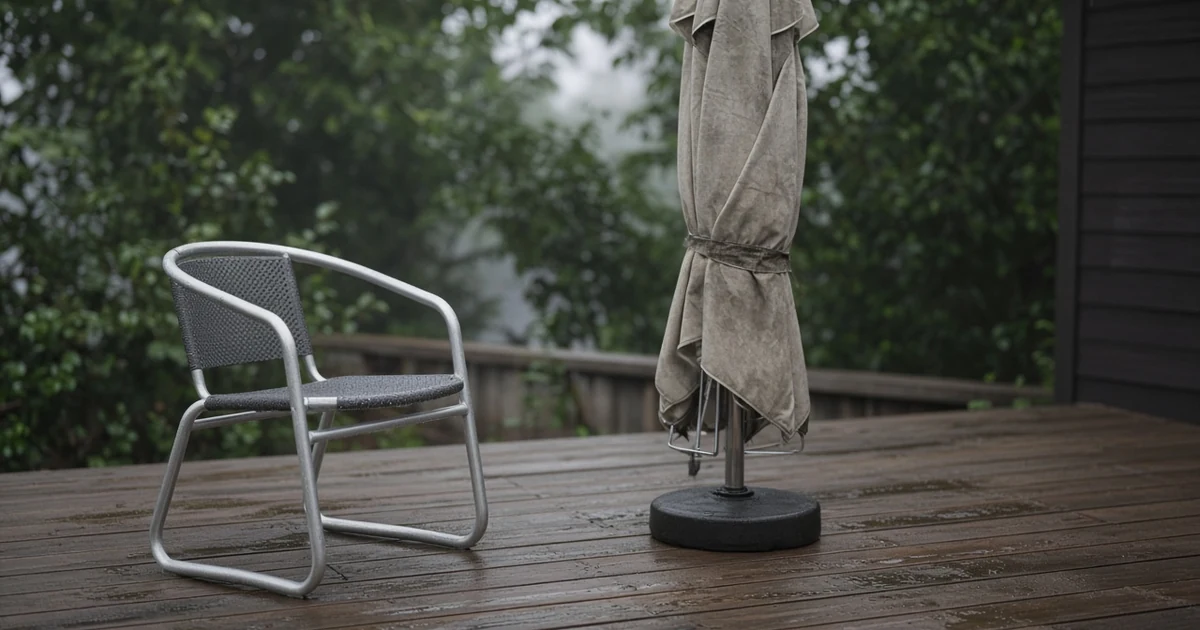
Patio sets last a few summers and then start to crack, rust and fade. Umbrellas lose their fabric, and plastic chairs go brittle. Then comes the question of where it all goes. Outdoor furniture is made of mixed materials, and no single program covers it, so the answer depends on what the piece is made of. This guide breaks it down by material.
First, can someone use it?
If a table or chairs are still sturdy, reuse is the best option. Offer them to a neighbour or a community group, or check the reuse options listed on Metro Vancouver Recycles. Metro Vancouver says on its facility pages that reuse options are not available at some centres, so look at the site you plan to visit.
Metal furniture and umbrella frames
Steel and aluminum frames are scrap metal. The City of Vancouver's Zero Waste Centre, at 8588 Yukon Street, lists scrap metal as accepted for free residential drop off, and Metro Vancouver's recycling and waste centres list metal in their accepted materials too. Check the page for the site you plan to visit.
For an umbrella, separate the metal pole and frame from the fabric if you can. The fabric, cushions and mixed parts go in the garbage. Our metal recycling page covers the metal side.
Plastic furniture
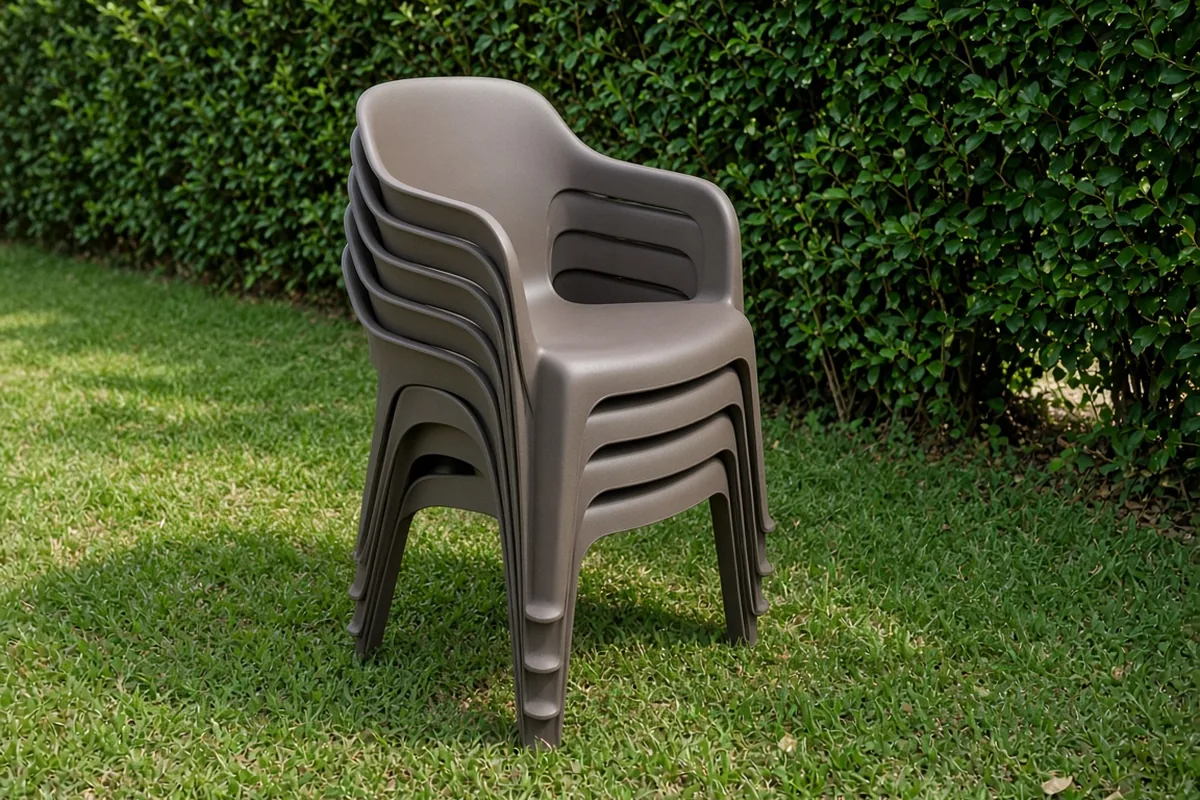
The Recycling Council of British Columbia (RCBC) says plastic household items are not included in any of BC's regulated recycling programs. Some landfills, transfer stations and recycling facilities may accept certain types of plastics independent of provincial programs.
RCBC adds that certain Metro Vancouver Recycling and Waste Centres accept residential quantities of bulky rigid plastics, specifically plastic codes 2 and 5, including patio furniture, storage containers, toys and laundry baskets. It says to follow the link to see which plastics each facility accepts. Some private plastic recyclers accept these items too, usually at a cost.
So a chair might be accepted at one centre and not another. Check the plastic code on the chair, which is usually moulded into the underside, and then check the facility's list.
Wood furniture
Wooden patio furniture is often stained, sealed or treated. In Metro Vancouver, clean wood means solid wood, lumber and pallets that are unpainted, unstained, untreated and free of glue, according to Metro Vancouver's clean wood card. Finished wood does not qualify. The City of Vancouver's Transfer Station page says wood that has been painted, stained or treated (other than with creosote) is disposed of as garbage.
For a Trash King bin, clean wood is unpainted wood only, and nails are fine. Mention treated wood when you order, because it needs special handling. It stays out of clean wood and yard loads. Most outdoor furniture will go in a mixed junk bin instead.
Cushions, fabric and wicker
No official program is listed for outdoor cushions, umbrella fabric or wicker. If they are clean and in good shape, try donating them. If not, they are garbage. Check Metro Vancouver Recycles for any current option.
Glass tabletops
If a table has a glass top, handle it with care. Wrap or tape the glass so it does not shatter while you carry it. The City of Vancouver's pop up recycling events do not accept furniture or large and bulky items, so a tabletop is a bin or facility item rather than an event item.
A quick material guide
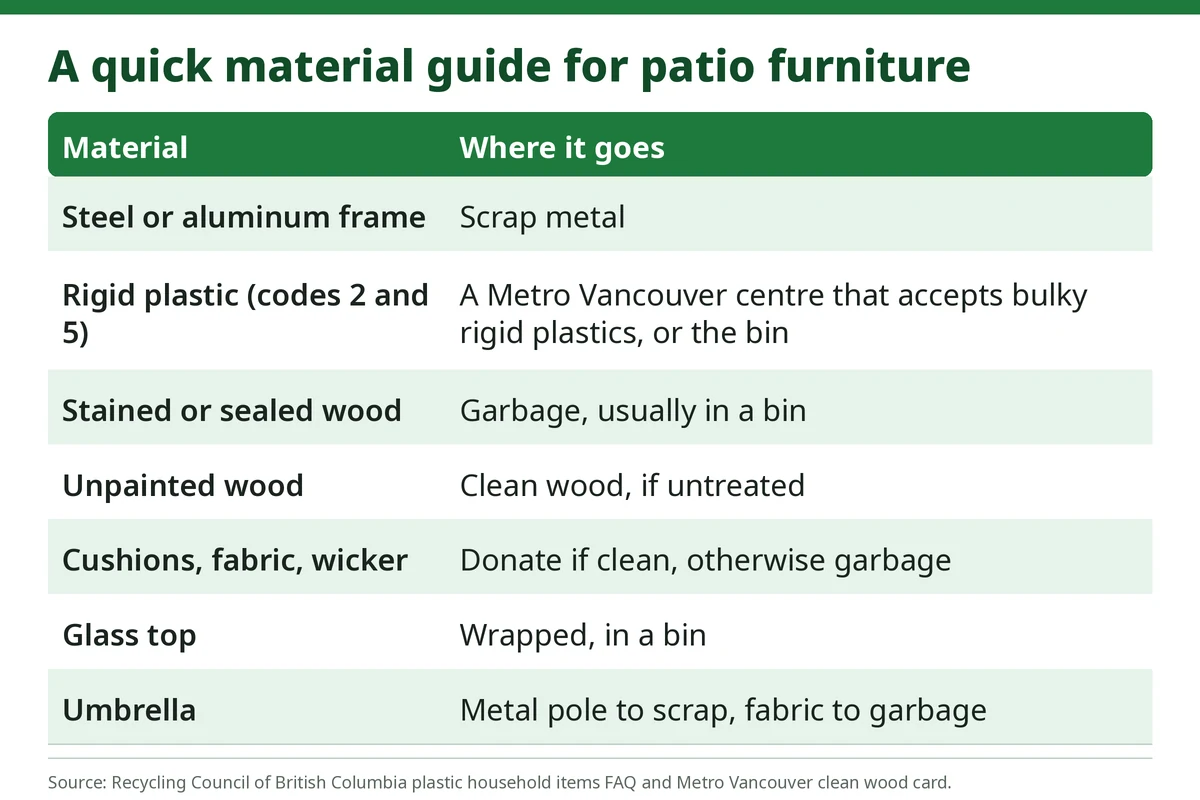
| Material | Where it goes |
|---|---|
| Steel or aluminum frame | Scrap metal |
| Rigid plastic (codes 2 and 5) | A Metro Vancouver centre that accepts bulky rigid plastics, or the bin |
| Stained or sealed wood | Garbage, usually in a bin |
| Unpainted wood | Clean wood, if untreated |
| Cushions, fabric, wicker | Donate if clean, otherwise garbage |
| Glass top | Wrapped, in a bin |
| Umbrella | Metal pole to scrap, fabric to garbage |
When a bin makes sense
One chair fits in a car. A full set, two umbrellas and a broken swing seat do not. If you are clearing out a whole patio, a deck teardown or a yard, a bin saves trips.
We deliver the bin and haul it away. You handle the loading.
For junk, cleanouts and renos, the 20-yard is the common starting size. The 15-yard junk bin is at times available, but it is commonly sold out, so plan around the 20-yard. For any other smaller size, just ask as you book. You can read more on the 20-yard bin page.
Furniture is bulky but light, so you will fill the bin on volume. Stack flat pieces together and break down anything that comes apart.
A bin on private property, like your driveway or yard, takes no permit. A street, boulevard or lane spot is different, since some cities need a permit for it. Confirm with your City before you book. Strata or HOA rules may still apply on top of that. If yours does, the permit application goes to the City, and we time delivery to any permit dates.
Trash King bins never take paint, propane, tires, fuel or electronics. Our what not to put in a bin page has the full list.
Mattresses and box springs cost extra as an add on. Mention them when you book.
Our household garbage page covers more on how bins work for home cleanouts.
FAQ
Can I put a patio umbrella in a bin? Yes. Separate the metal pole if you want to scrap it, and put the fabric and parts in the bin.
Is plastic patio furniture recyclable? RCBC says certain Metro Vancouver centres accept residential quantities of bulky rigid plastics (codes 2 and 5), including patio furniture. Check which plastics each facility accepts.
Does the Zero Waste Centre take scrap metal? Yes. The City lists scrap metal as accepted for free residential drop off.
Can stained wood go in a clean wood load? No. Clean wood is unpainted wood only.
What size bin should I order? A 20-yard is the common start, and you can ask about other sizes when booking.