
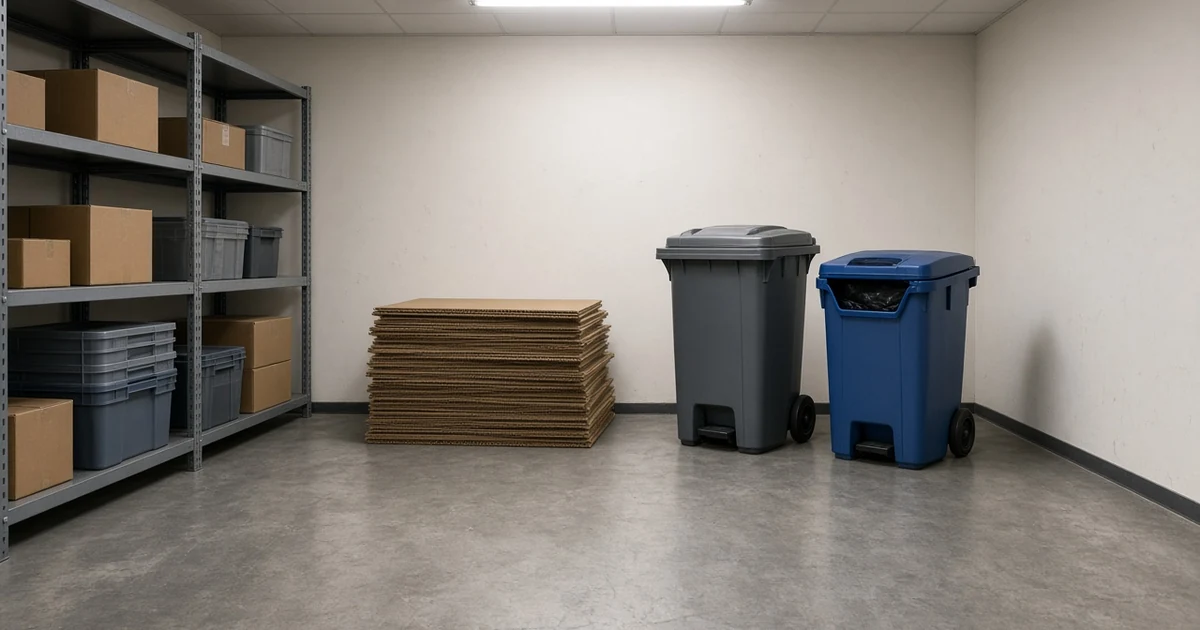
If you run a shop, a studio or a small office, you may pay for garbage without knowing what is in the bin. A waste audit is a brief look at what your business throws out. It shows whether you are paying to haul recyclables, food scraps or cardboard that can go somewhere else. It also shows where Metro Vancouver's disposal bans apply to you. You do not need a consultant for a first look.
Why look at your waste
Metro Vancouver bans certain materials from the garbage at its disposal facilities. Loads are inspected, and surcharges apply when banned materials are found. Metro Vancouver says a surcharge of 50% of the tipping fee applies to the entire load when it contains banned recyclable materials. Food scraps are covered by the organics disposal ban, which has applied since January 2015. Our post on Metro Vancouver disposal bans explains how the surcharges work in more detail.
A basic audit in four steps
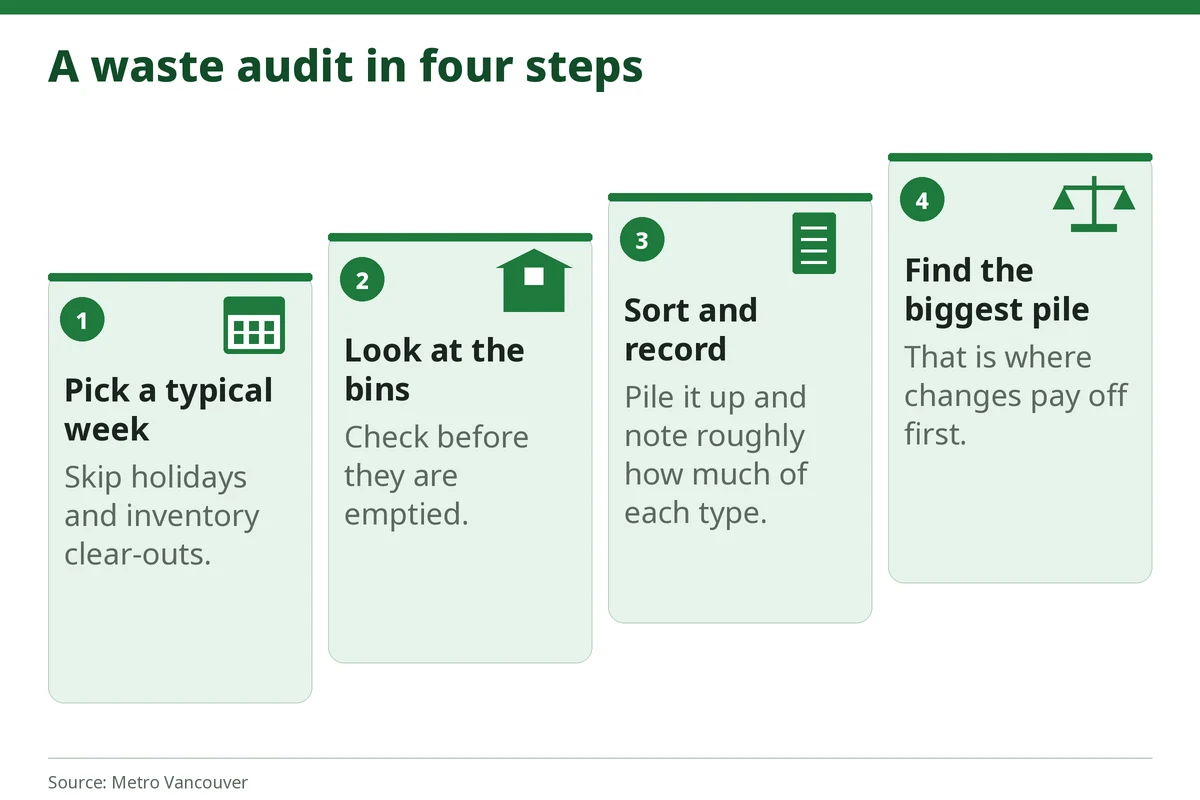
- Pick a typical week. Do not choose a holiday or the week of an inventory clear out. You want what the business normally throws away.
- Look at the bins before they are emptied. Open the garbage bin at the end of the week and note what you see. Cardboard, food scraps, paper, bottles and cans, packaging film and stray electronics are the usual finds.
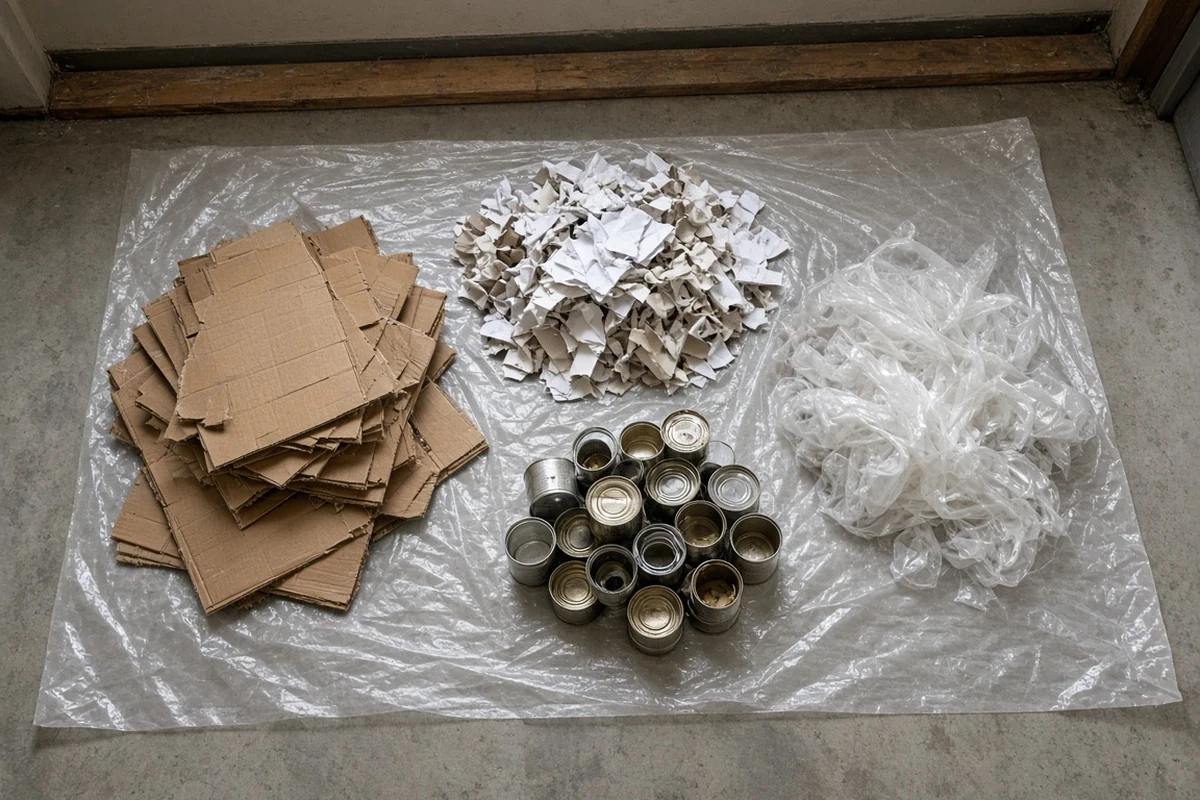
- Sort and record. Pull a sample into piles on a tarp or in separate tubs. Write down roughly how much of each type you have, and note which items have a recycling program in your city.
- Look for the biggest pile. The largest category is where changes will pay off first. For many shops it is cardboard. For a cafe it is food.
Metro Vancouver's restaurant guidance says a successful food waste prevention program begins with an assessment of your waste, so the same logic works for any small business.
What to do with what you find
- Cardboard and paper. Check what your hauler or your city accepts and ask whether your recycling service is large enough.
- Food scraps. Ask your hauler about an organics service. The Recycling Council of BC's Recycling Hotline, 604-732-9253, can answer questions on the disposal ban and provide a list of commercial hauling services.
- Items with stewardship programs. Electronics, paint, batteries and similar items have their own take back programs. They do not belong in the garbage. Metro Vancouver Recycles has a list of locations.
- Bulky items. Old shelving, broken fixtures and furniture need a different route from the regular garbage cart.
When a bin makes sense
Normal weekly waste is usually a job for your hauler. We do take on some regular garbage contracts, but it is uncommon, so call to ask. A bin is for the one off events: a shop refresh, a lease move out, a clear out of a back room or a storage space. We bring the bin and take it away again. The loading is up to you. A 20-yard bin is where most people start. We also carry a 15-yard bin, but it is commonly sold out, so ask when you book. Learn more about our commercial services.
FAQ
What is a waste audit? It is a look at what your business throws out, sorted by type, so you can see what could be recycled or reduced.
Do small businesses have to follow Metro Vancouver's disposal bans? The bans apply at Metro Vancouver disposal facilities, so loads from businesses are inspected like any others. Your hauler is the first contact.
Who can answer questions about the organics ban? The Recycling Council of BC Recycling Hotline at 604-732-9253 answers questions on the organics disposal ban.
Is a bin the answer for regular weekly garbage? Usually not. Regular garbage is mostly a hauler job, and a bin suits one off clear outs and refresh projects.