
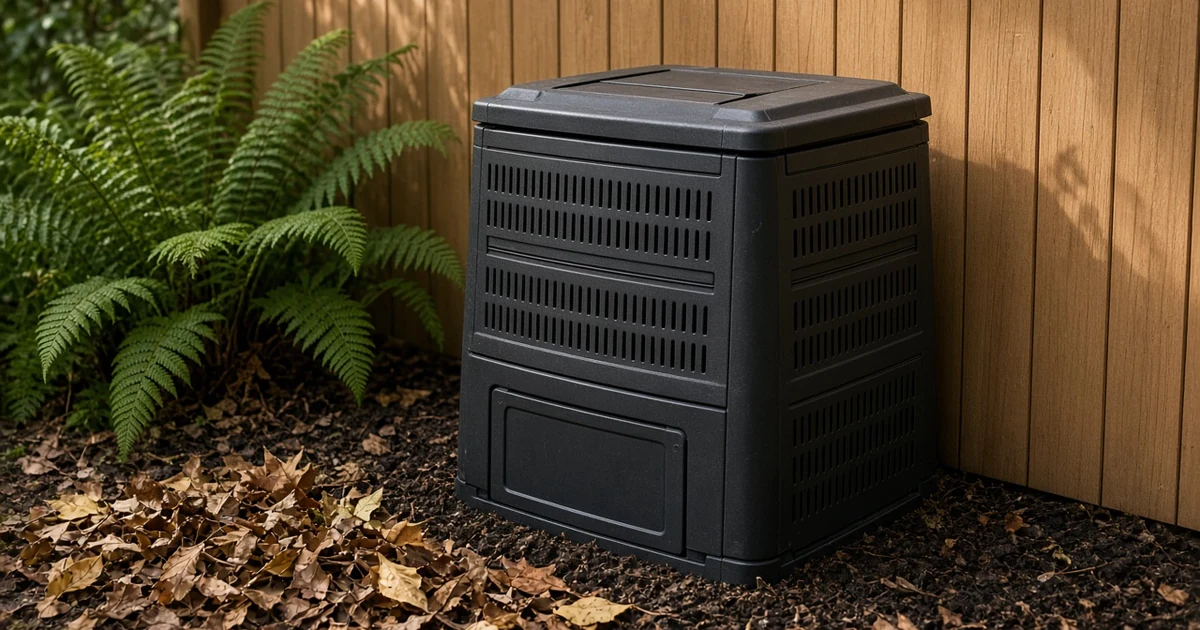
If you have a yard, you can compost at home, use the green bin, or do both. They take different things. This guide compares the two, based on the City of Vancouver's pages, and it points to where you can learn how to start. For the wider picture, see our organics recycling page.
What the City says about backyard composting
The City of Vancouver's green bin page says that composting uncooked food scraps with your backyard composter creates nutrient rich soil at home. It says the City Farmer organization sells both backyard composters and worm composters on the City's behalf at a subsidized rate. The City also lists a City Farmer compost demonstration garden, where people learn how to grow food, compost waste and care for their landscape.
The City's garden composters page says backyard composting can take garden and yard trimmings, uncooked food scraps like vegetable and fruit peelings, egg shells, coffee grounds and tea bags, and leaves. It also lists the Regional Compost Hotline and the Compost Demonstration Garden at 2150 Maple Street (604-736-2250), which City Farmer runs for the City and Metro Vancouver. The page points to a Metro Vancouver brochure called "Here's the Dirt: Backyard Composting" for a 10 step start and common problems. Check the page for current composter pickup details.
What the green bin takes that a backyard bin should not
The City's green bin accepts a wider range of items than home composting. Its accepted list includes meat, fish and seafood with shells and bones, dairy products, bread, pasta and grains, plate scrapings and leftovers, food soiled paper, pizza boxes with food residue, and small amounts of cooking oil absorbed in a paper towel.
The City recommends backyard composters for uncooked food scraps. Its garden composters page says fish, meat, dairy and grain products, grease, oil and cooked foods like pasta and rice decompose too slowly in a backyard composter, cause odours and attract pests, so they go in the green bin instead. If you are unsure, use the green bin.
What the green bin leaves out
The City's green bin page lists these as not accepted:
- Plastic bags of any kind, including compostable or biodegradable ones
- Pet waste and cat litter
- Diapers and hygiene products
- Liquids of any kind
- Dirt, soil or sod
- Painted, stained or treated wood
- Plastic cutlery, containers and packaging, including items labelled compostable
Keeping rats away
The City's rat and mouse page says to practise proper composting techniques and to take away food sources. It also says to remove fallen fruits or nuts from your yard, and to clean up pet food and spilled birdseed. For the green bin, the City advises keeping the lid closed, placing the bin away from fences and deck railings and layering food scraps with dry leaves or grass clippings. Our guide to storing waste safely has more on pests.
Yard waste
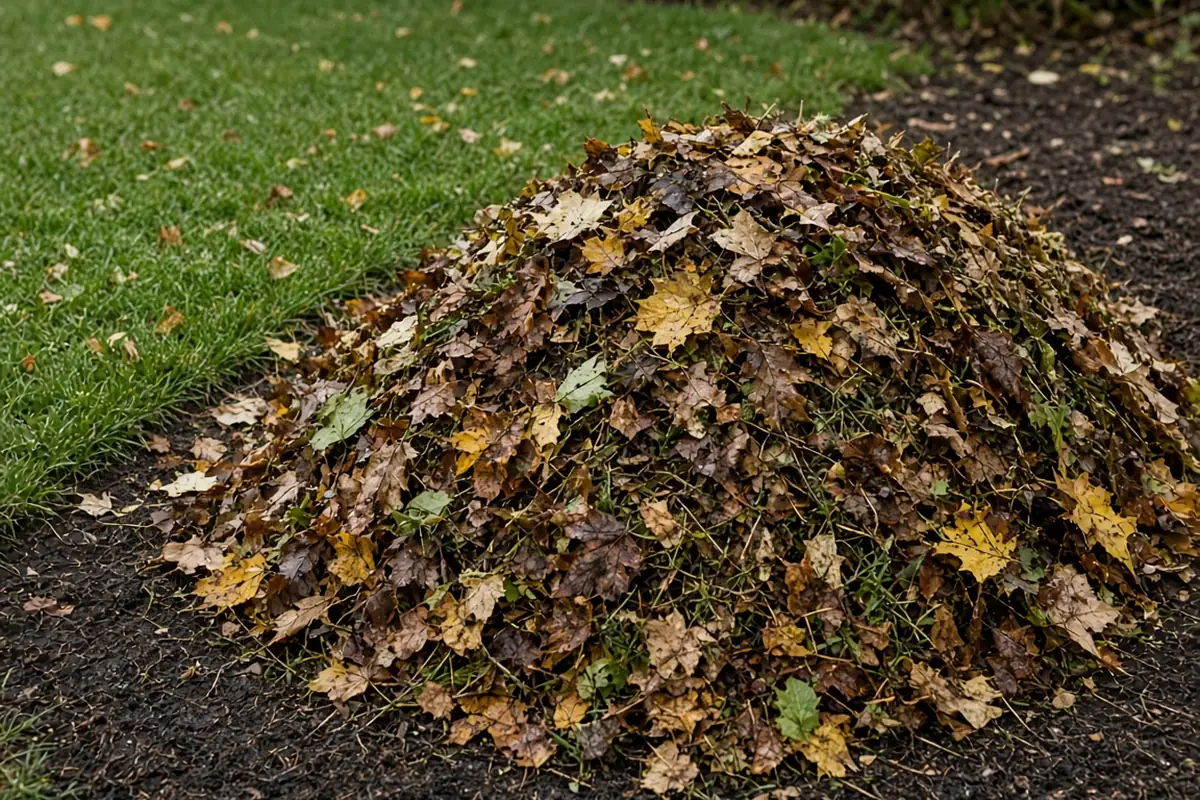
Leaves and grass clippings, weeds, plants and flowers, and short branches and prunings (less than 10 cm thick and 50 cm long) are accepted in the City's green bin. For extra yard waste, the City suggests ordering a larger green bin, or taking it to the transfer station or landfill (fees apply). You can also use leaves and grass clippings in a home compost, or to layer your green bin.
Which should you use?

| Item | Backyard compost | Green bin |
|---|---|---|
| Uncooked fruit and vegetable scraps | Yes, per the City | Yes |
| Meat, fish, dairy, cooked leftovers | No, per the City. Use the green bin | Yes |
| Leaves and garden or yard trimmings | Yes, per the City | Yes |
| Plastic bags, compostable or not | No | No |
| Pet waste | Not covered by the City’s home composting page | No |
When there is too much
A big yard cleanup, a fallen tree or a landscaping project makes more than a composter or a green bin can handle.
Trash King brings the bin to you and takes it away. The loading is up to you.
The usual starting point for junk, cleanouts and renos is the 20-yard. A 15-yard junk bin is at times available, but it is commonly sold out. Plan on the 20-yard. If you need another smaller size, ask when booking. Our 20-yard bin page lists the details.
Dirt and concrete normally go in separate 10 or 12-yard bins. Clean wood means unpainted wood only.
No permit is needed for a bin on private property, like your driveway or yard. Some cities need a permit for a bin on the street, boulevard or lane, so confirm with your City before you book. Check any strata or HOA rules as well, since they can still apply. If yours does, apply with the City, and we time delivery to any permit dates.
Some items can never go in a Trash King bin: paint, propane, tires, fuel and electronics. Check our what not to put in a bin page for the full list.
Add a mattress or box spring to the load as an add on for an extra fee, and let us know when you book.
FAQ
Can I compost meat at home? No. The City's garden composters page says meat, fish and dairy decompose too slowly in a backyard composter, so put them in the green bin.
Where do I buy a composter? The City's garden composters page lists the Compost Demonstration Garden at 2150 Maple Street, and says to call 604-736-2250 to reserve one. Check the page for the current price and rules.
Do compostable plastic bags go in the green bin? No. The City does not accept plastic bags of any kind.
What bin size should I start with? The 20-yard is the common start for yard cleanups. When booking, ask about other sizes.