
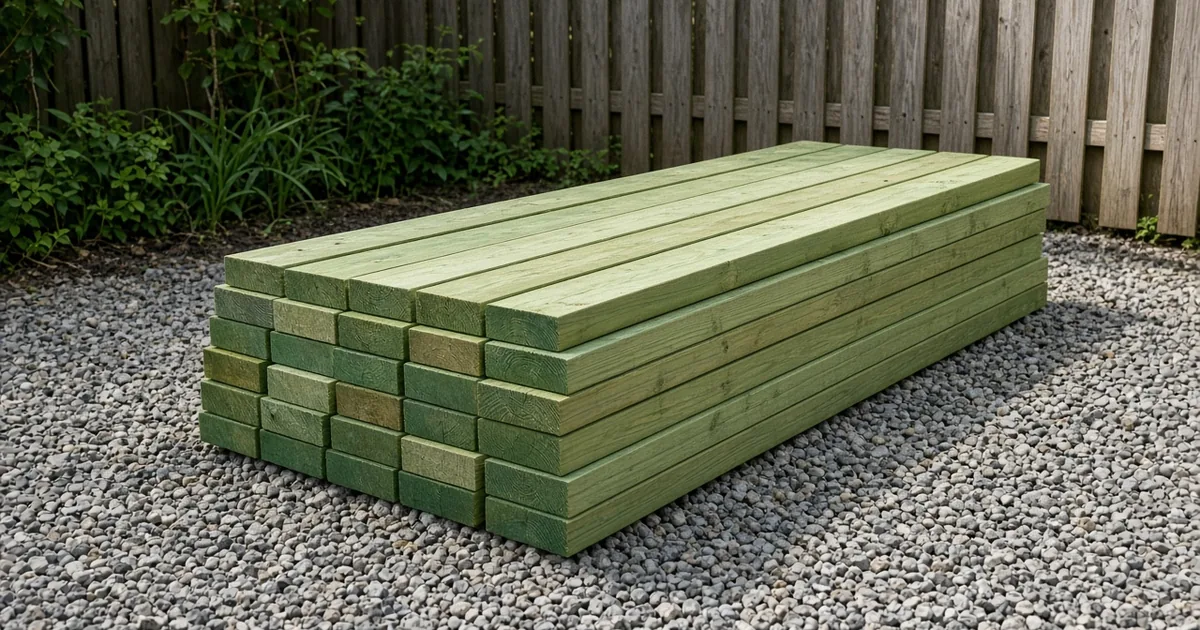
Old decks, fences and raised beds often use pressure treated lumber. When the project ends, a pile of it is left, and it is different from ordinary wood. This guide is a how to for handling it before disposal. For our service page, see wood.
Why it is not clean wood
Metro Vancouver's clean wood disposal ban card defines clean wood as solid wood, lumber and pallets that are unpainted, unstained, untreated and free of glue. Pressure treated lumber is treated, so it does not qualify. That affects where it can go.
The City of Vancouver's green bin page also lists painted, stained or treated wood as not accepted. Do not put it in a green bin or a yard load.
Sort it from other wood
Before you start, separate the pieces.
- Keep pressure treated lumber in its own pile.
- Keep unpainted, untreated wood in a separate pile.
- Keep painted or stained wood in a third pile.
If you are not sure whether a piece is treated, treat it as treated. If you cannot tell, ask the facility before you drop it off.
Handle it with care
Health Canada's Staying Safe around Treated Wood says to wear gloves and long sleeves when handling treated wood. It says to wear a dust mask, eye protection, gloves and long sleeves when sawing, sanding or shaping it, and to work with treated wood only outdoors.
Health Canada also says never to burn treated wood, indoors or outdoors, because burning releases chemicals in the ash and smoke. It says not to place treated wood or sawdust in a compost bin and not to use it as mulch. If you are unsure about a particular product, check the manufacturer's information or ask a health and safety professional.
Where the City of Vancouver sends it
The City of Vancouver's landfill page says its wood waste stream is accepted for a fee, and includes solid wood, lumber and pallets, and wood with or without glue. It says the wood can be painted, stained or treated and must be free of metal hardware. It says wood with creosote is not accepted. Check the page for the current fee and the maximum accepted load.
The City's Vancouver South Transfer Station page treats finished wood differently. It says wood that has been painted, stained or treated (other than with creosote) is disposed of as garbage, so the garbage rate applies, while clean, unfinished wood waste has its own rate.
Metro Vancouver's Disposal Ban Program Manual lists creosote treated wood among the banned operational impact materials for garbage loads. If you have old wood and do not know what it was treated with, ask the facility before you load it. Check each site's page for hours and fees before you go.
Pulling out the nails
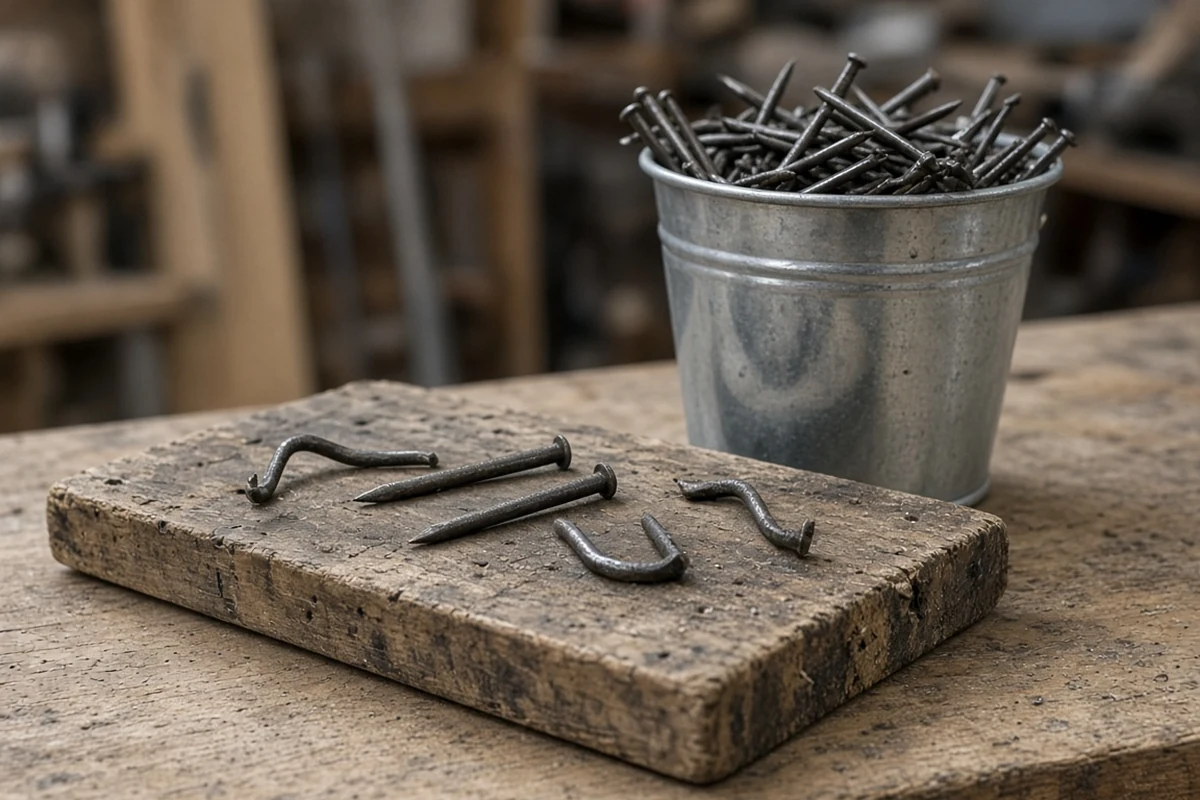
The City's wood waste stream asks for wood free of metal hardware. Pull or cut out nails, screws and bolts before you take treated lumber to the landfill. Metro Vancouver's clean wood card allows nails in clean wood, but treated wood is a different stream.
Using a bin
If you have a deck's worth of lumber, a bin saves trips.
Trash King brings the bin to you and takes it away. The loading is up to you. For junk, cleanouts and renos, the 20-yard is the common starting size. A 15-yard junk bin is at times available but is commonly sold out, so plan around the 20-yard. Ask when you book about other smaller sizes. Details are on the 20-yard bin page.
Treated wood needs special handling. Mention it when you order. It never goes in a clean wood or yard load, and it should not be mixed with those loads. Our wood page covers the service.
Permits depend on where the bin sits. A bin on private property, like your driveway or yard, takes no permit. A street, boulevard or lane spot is different, since some cities need a permit for it. Confirm with your City before you book. Your strata or HOA can still set rules of its own. If yours does, apply with the City, and we will time delivery to any permit dates.
These never go in a Trash King bin: paint, propane, tires, fuel and electronics. You can see everything else on the list on our what not to put in a bin page.
Mattresses and box springs cost extra as an add on. Mention them when you book.
Quick guide
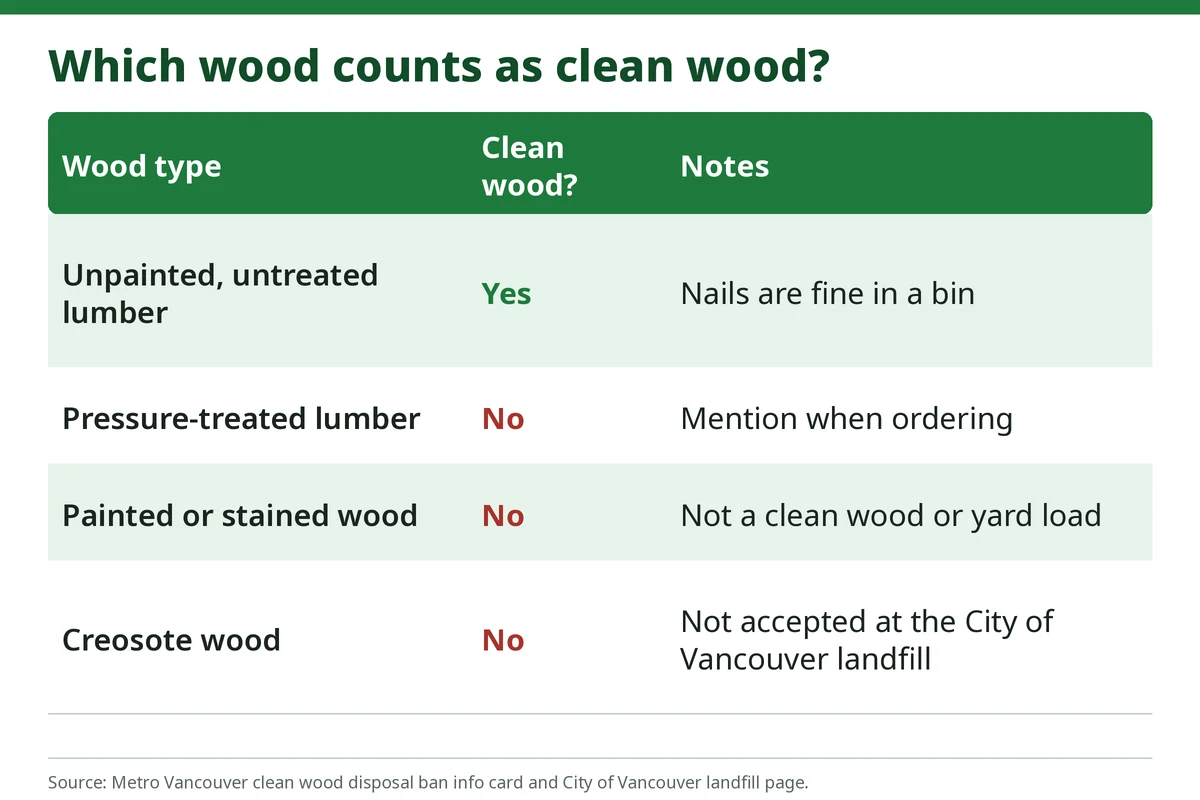
| Wood type | Clean wood? | Notes |
|---|---|---|
| Unpainted, untreated lumber | Yes | Nails are fine in a bin |
| Pressure treated lumber | No | Mention when ordering |
| Painted or stained wood | No | Not a clean wood or yard load |
| Creosote wood | No | Not accepted at the City of Vancouver landfill |
FAQ
Can I put pressure treated wood in the green bin? No. The City of Vancouver lists painted, stained or treated wood as not accepted.
Is treated wood clean wood? No. Clean wood is unpainted, unstained, untreated and glue free.
Does the Vancouver landfill take treated wood? The City's wood waste stream says wood can be painted, stained or treated, for a fee. It does not accept wood with creosote. At the South Transfer Station, treated wood is disposed of as garbage.
What do I tell Trash King when I book? Mention that the load includes treated wood.