
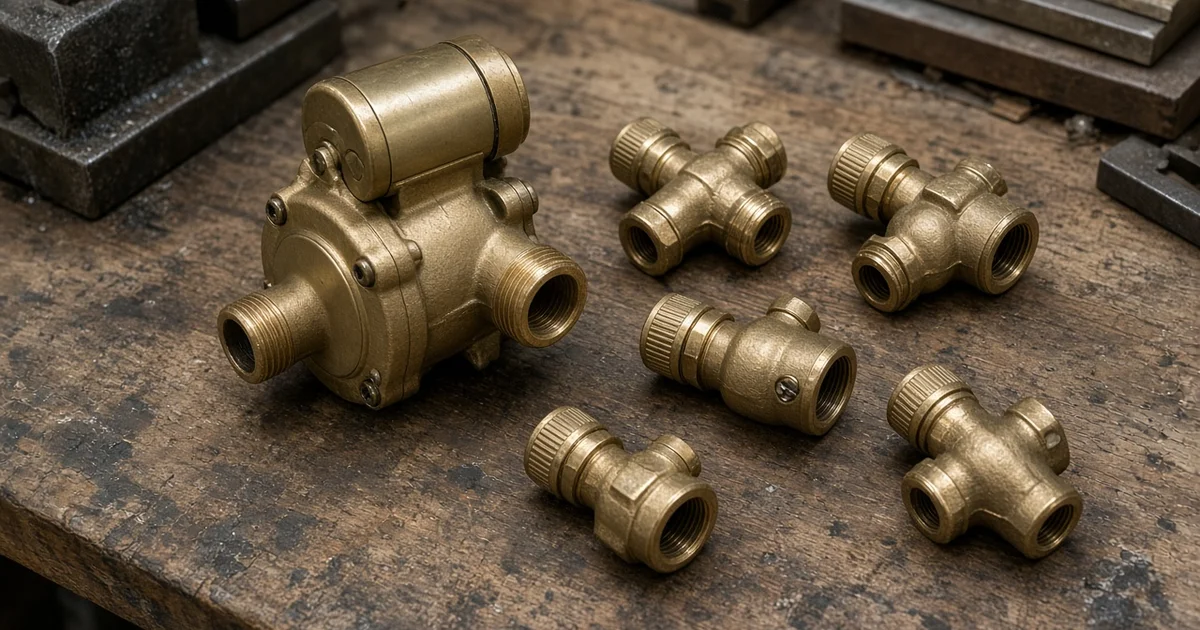
Recirculation pumps and mixing valves are small but often brass or copper. Drain them and send the metal to scrap.
Small plumbing scrap adds up
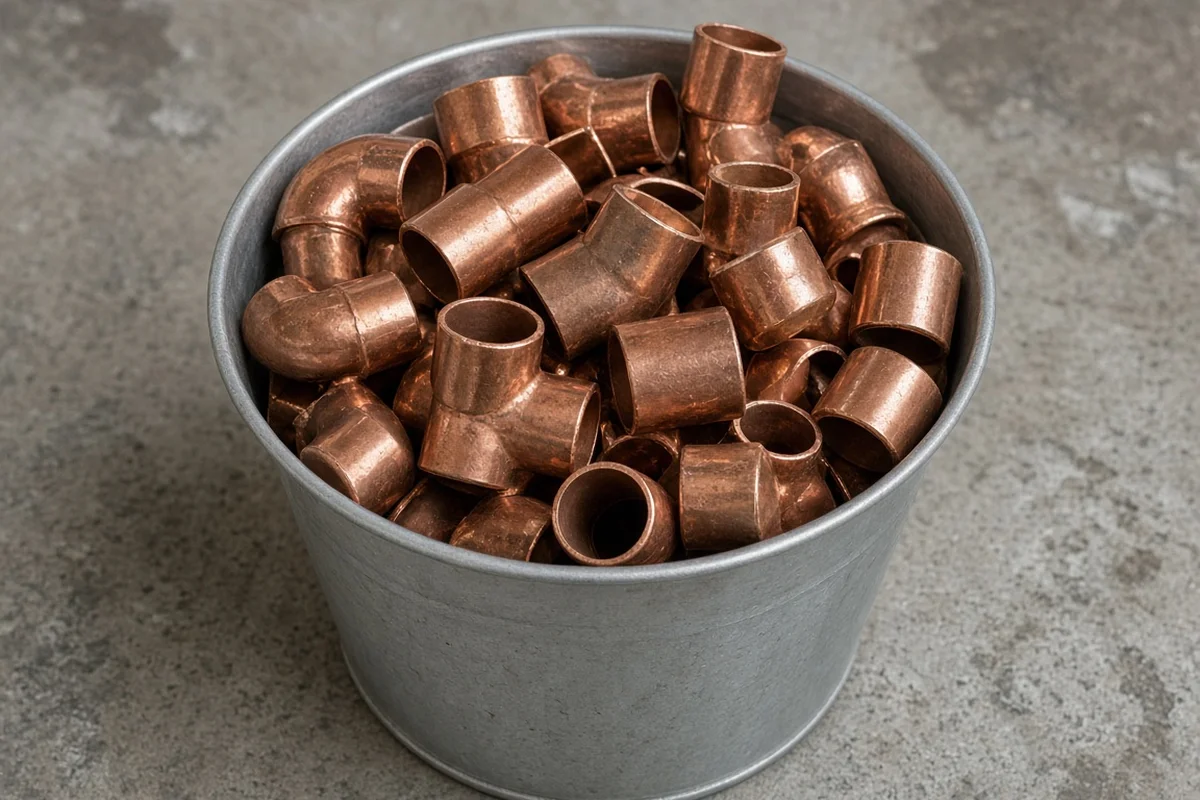
Pumps and mixing valves are often brass, copper or composite. Drained metal can go to scrap. Electronic heads go to an electronics depot.
Water and solder residues
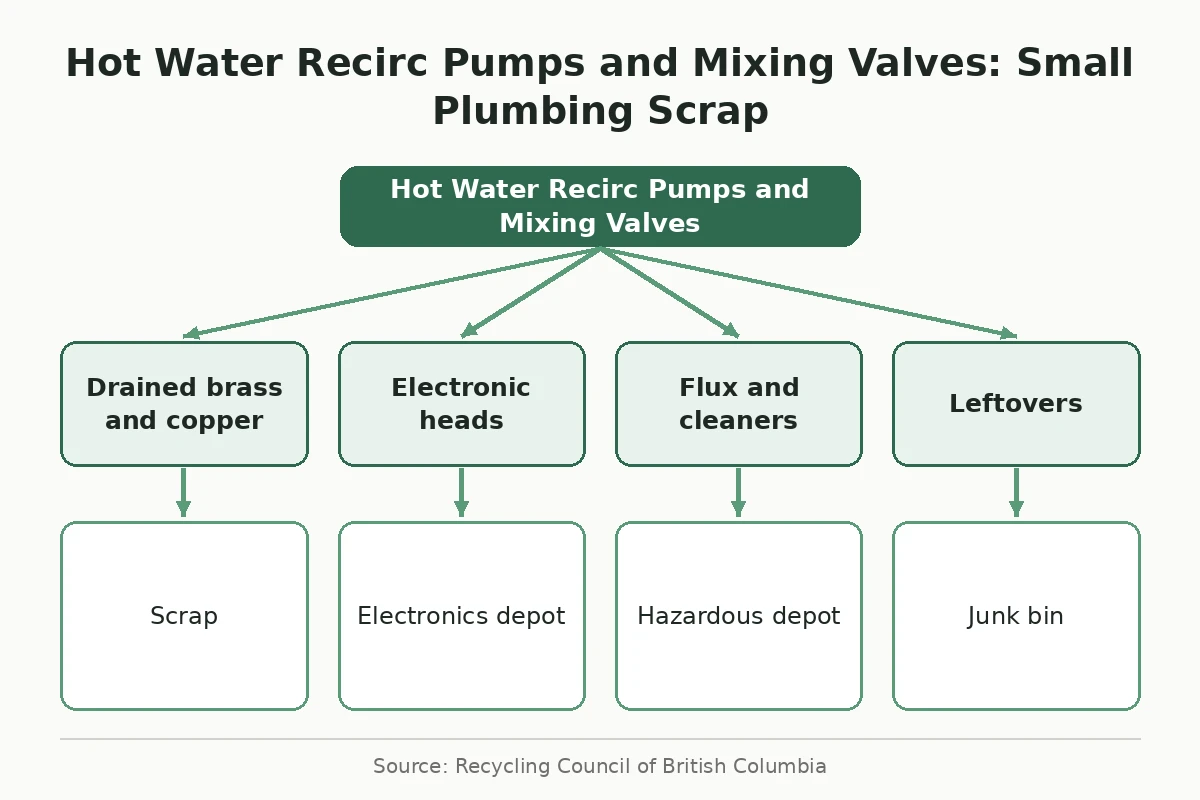
Drain each unit before scrap. Flux, solder and cleaners go to a hazardous waste depot. Older devices with mercury parts stay out of junk.
Batch with other plumbing culls
A pump on its own may only need a depot trip. A whole home plumbing refresh can fill a junk bin once the metal is out.
When a bin fits
We place the bin, you fill it, and we take it away when you call. Most jobs begin with the 20-yard junk bin. We also have a 15-yard bin, but it is often sold out, so ask when you book.
On your driveway or yard, the bin needs no permit. For the street, boulevard or lane, some cities require a permit, so check first. If yours does, send us the dates and we will time delivery.
Batteries, electronics, propane tanks, paint, solvents, pharmaceuticals and asbestos stay out of a junk bin. Asbestos is never permitted in any Trash King bin. Search Metro Vancouver Recycles or call 604-732-9253 if you are unsure.
For standing limits, use our disposal bins and what not to put in a bin pages.
FAQ
What is the first sorting step for this job? Drain the pumps and valves, then pull them for scrap. Flux and cleaners go to a hazardous waste depot.
What size bin should I start with? We usually point people to the 20-yard junk bin first. Ask when booking about other sizes. The 15-yard is often sold out.
Do I need a permit on my driveway? No. A driveway or yard needs no permit. Street, boulevard or lane rules depend on your City.
Where do I check an item I am unsure about? Search Metro Vancouver Recycles or call the Recycling Hotline at 604-732-9253.
Can asbestos ever go in a Trash King bin? No. Asbestos is never permitted in any Trash King bin.