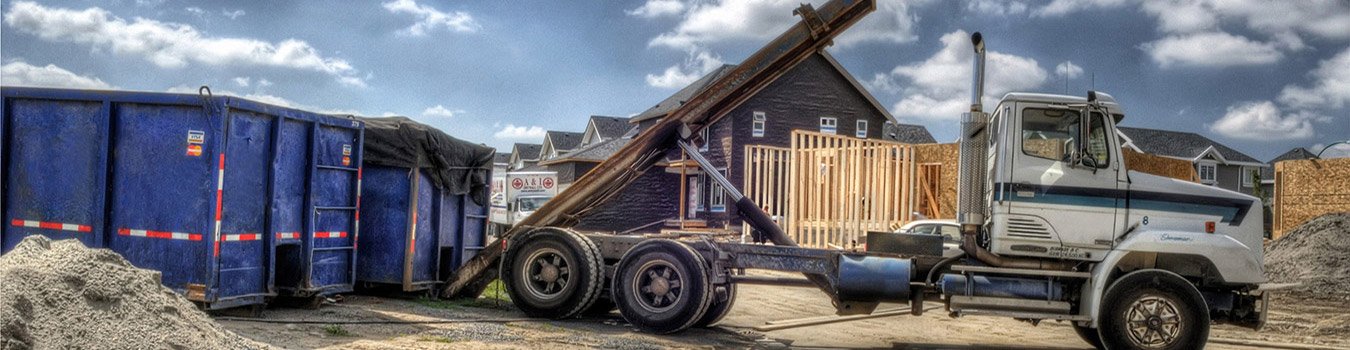
Construction bin rental in Metro Vancouver works best when the container matches the phase of work, not just the square footage of the build. Trash King delivers DIY roll-off disposal bins across Greater Vancouver and Metro Vancouver municipalities. Your crew loads at your pace. Then we haul the bin. This guide is for GCs, framing crews, and trade leads who need a clear plan for framing waste, drywall scraps, packaging, and mixed job-site debris without hiring a labour junk crew.
What this service is (and is not)
Is: a roll-off or disposal bin delivered to the site, filled by you or your subcontractors, then removed for disposal or recycling routing where facilities allow.
Is not: a full-service junk-removal labour crew that packs, carries, or clears rooms while you wait. Trash King does not supply labour to load the bin.
If the job needs people to haul furniture or gut a suite by hand, a labour crew may fit better. If you already have labour on site and need controlled capacity for construction waste, a DIY construction bin is usually the better fit. Browse new construction waste and commercial services for hub context.
Who this guide helps
- General contractors coordinating multi-trade schedules
- Framing, roofing, and finishing crews staging debris
- Renovators running gut-and-rebuild sequences
- Site supervisors who must keep streets and driveways clear
Homeowners managing a contractor-backed build can use the same framework. Just confirm who owns loading and placement decisions before the truck arrives.
Decision framework for construction bins
- Name the dominant material. Framing lumber, drywall, packaging, mixed reno, concrete, or dirt each behave differently at weight and facility gates. Confirm acceptance when you call. Do not assume every stream shares one bin.
- Estimate volume by phase, not by total project. A framing week looks different from a finishing week. Many sites do better with a swap mid-project than one oversized bin parked for months.
- Choose driveway or private pad vs public property. Municipal rules differ across Metro Vancouver. Prefer private property when you can. Confirm municipal rules before street placement.
- Pick a size with working room. Live sizes include 10, 12, 15, 20, 30, and 40 yard. Volume is not weight. Dense materials fill weight limits first. Start at trash bins.
- Call 604-433-5865 to confirm weight expectations, banned items, access notes, and timing. Soft same-day: Ask about current delivery availability when you call.
Sequencing loads on a live job site
Construction sites fail disposal plans when everything lands in one mixed pile. A practical sequence:
- Stage packaging and cardboard separately when volumes are high enough to matter.
- Keep mineral loads (concrete, dirt) away from light trash when possible. See companion guidance on concrete and dirt and renovation debris.
- Do not bury unknown liquids, aerosols, or special-handling items under framing scrap.
- Leave a clear truck approach and swing path. Blocked sites delay swaps.
Overfilling above the rim is a common contractor shortcut that creates haul problems. Keep loads level. If the bin is full, schedule a swap rather than mounding.
Construction schedules slip. A DIY roll-off works best when the bin arrival matches the demo or framing window, not two days early when it blocks the driveway or two days late when debris piles up. Call 604-433-5865 with the address, material mix (wood, drywall, mixed C&D), and the day you want delivery. Soft same-day: Ask about current delivery availability when you call.
Think in phases. A tear-out phase may need a different load profile than a finishing phase. Some crews prefer one larger bin for a concentrated week. Others prefer a swap mid-project so the site stays walkable. Trash King is the bin logistics partner. Your crew still owns loading, sorting decisions, and keeping prohibited items out.
Placement and access that keep trucks moving
Metro Vancouver sites range from lane-access infills to suburban pads with room to spare. Before you book:
- Measure the drop zone and note overhead wires, low trees, and tight turns.
- Tell dispatch if the bin must sit beside scaffolding, a hoist, or a temporary fence.
- Protect surfaces if your site rules require it. Heavy bins concentrate load on a small footprint.
- If only a street or boulevard will work, confirm municipal rules before street placement. Trash King does not apply for the customer’s municipal permit.
Access matters as much as volume. Narrow lanes in older neighbourhoods, low wires, steep grades, and parked cars all affect where a truck can set a container. Have a driveway or clear pad ready when possible. If public property is the only option, confirm municipal rules before the truck rolls.
City pages on the Greater Vancouver hub explain local logistics. This blog does not invent permit names.
Mixed C&D vs cleaner streams
New construction and reno debris often arrive mixed: lumber offcuts, drywall scraps, packaging, and fasteners. Mixed loads are normal for DIY bins, but contamination (liquids, batteries, unmarked chemicals) creates problems at the facility. When you can stage clean cardboard or clean scrap metal aside, do it. Cleaner streams are easier to route. For material-specific guidance see /new-construction-waste/ and /materials-we-recycle/.
Weight is the silent constraint. Dense materials fill weight budgets faster than volume suggests. If the job leans heavy (concrete chunks mixed into a “wood” pile, wet debris, roofing), say so when you book so dispatch can set expectations. Do not rely on a blog post for a hard weight number. Facilities and truck limits vary. Confirm on the call.
Materials that usually need a separate conversation
Treat the following as “confirm when you call,” not as a universal banned list:
- Hazardous liquids, fuels, oils, and chemicals
- Asbestos-containing materials (older buildings may need testing before loading)
- Electronics, batteries, and fluorescent lamps
- Propane tanks and pressurized cylinders
- Extremely heavy concentrated loads of concrete or dirt without a heavy-bin plan
Facility and municipality rules vary. Guidance here is planning help. Confirm acceptance and routing when you request a quote.
Practical tips for Metro Vancouver contractors
- Book the first bin against the first debris-producing phase, not against an optimistic end date.
- Share photos or a short access description when the pad is tight. Dispatch prefers facts over surprises.
- Assign one person on site to own “what goes in the bin” so apprentices do not contaminate clean streams.
- For multi-site GCs, ask about scheduling patterns across municipalities you already work in. Service covers listed Metro Vancouver municipalities. Confirm boundary addresses when you call.
- Hours: Monday to Friday 9:00 to 19:00, Saturday to Sunday 9:00 to 17:00 (America/Vancouver).
How this pairs with commercial service pages
This guide is the decision narrative. /commercial-services/ and /new-construction-waste/ carry the service-page framing. Use the hub /greater-vancouver/ when the job address sits near a municipal boundary and you need the city-page path for local placement notes.
Soft next step
Whether you are framing a laneway house or finishing a commercial TI, a correctly sized DIY construction bin keeps debris off the working surface. Review new construction waste, commercial services, and trash bins, then call 604-433-5865 or email quotes@trashking.ca. Ask about current delivery availability when you call.
FAQ
Do you load the construction bin for us?
No. Trash King provides DIY roll-off rental: delivery and removal. Your crew loads the bin. We are not a labour junk crew.
Can contractors get a bin delivered quickly?
Ask about current delivery availability when you call. Timing depends on truck routes and site readiness.
What size should a typical framing week use?
It depends on how much lumber scrap, sheathing, and packaging you generate and how often you can swap. Describe the phase when you call. Do not size only by building footprint.
Can I put concrete and framing waste in the same bin?
Sometimes for small mixed amounts, but dense mineral loads often need a different plan. Confirm when you call so weight and routing stay realistic.
Do you serve only Vancouver city proper?
Service covers Metro Vancouver municipalities Trash King lists on the site. Ask when you call if your address sits near a municipal boundary.
Is pricing listed publicly?
Call or email for a quote based on size, material mix, location, and access. This guide does not publish rates.