
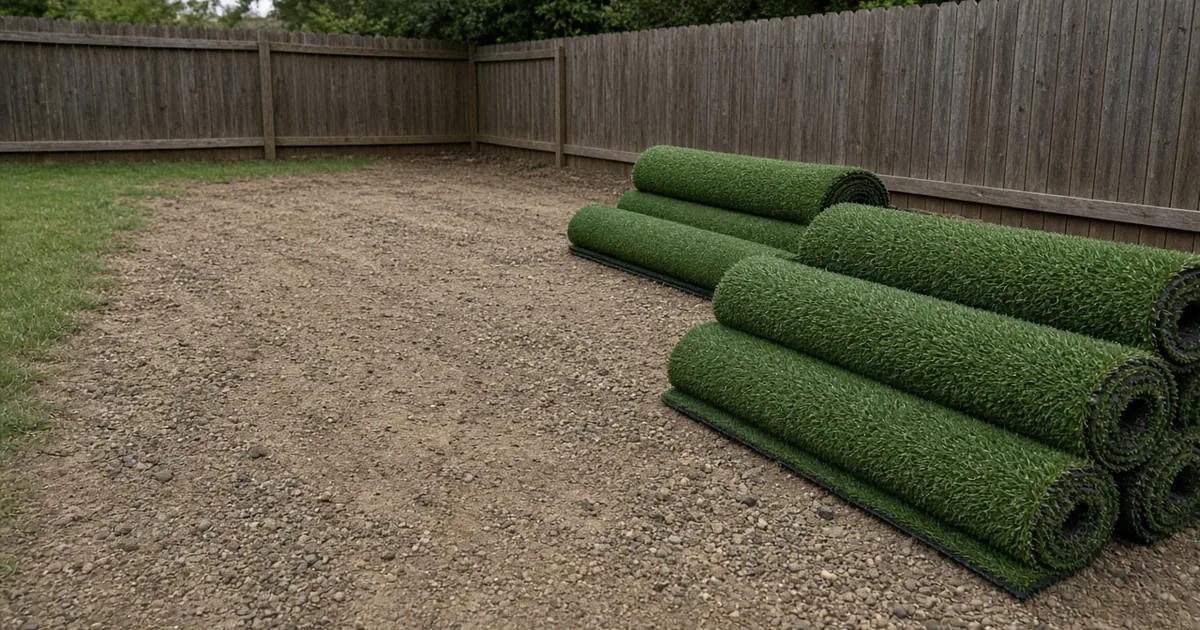
Artificial turf looks simple until you lift it up. The turf itself is a heavy sheet of plastic backing and fibre. Under it there may be infill sand or rubber, and under that a compacted base of crushed material. Each layer has a different route, so it pays to plan before you begin.
The layers you will find
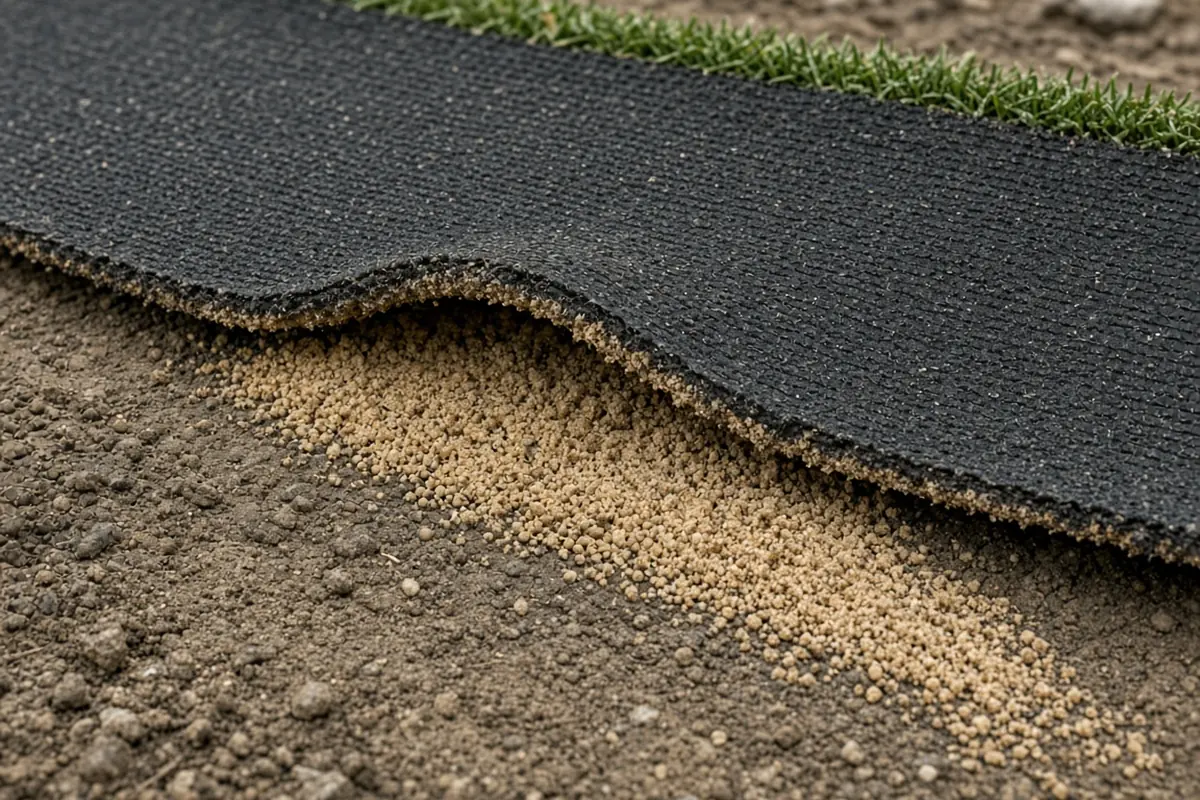
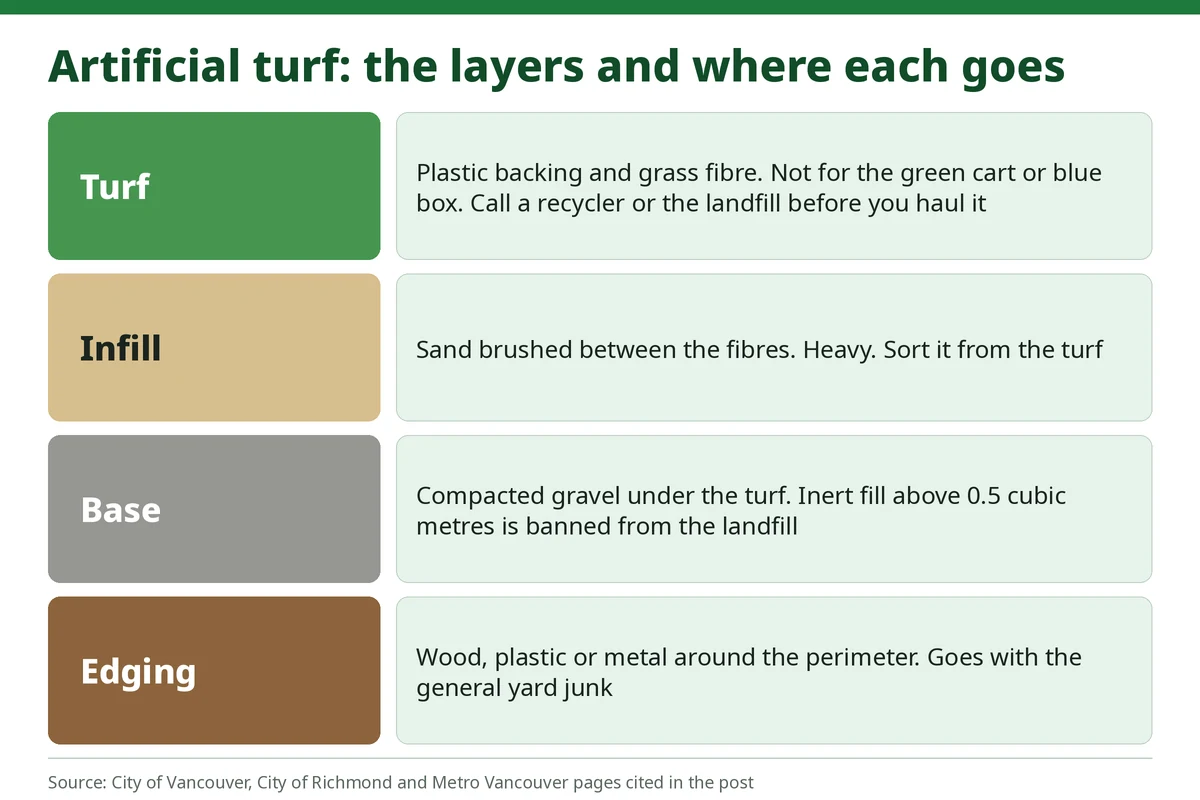
- The turf. Plastic backing and grass fibre, usually in strips joined with tape or glue.
- Infill. Sand or other material brushed between the fibres. It adds a lot of weight.
- The base. Compacted gravel or similar material under the turf.
- Edging. Wood, plastic or metal around the perimeter.
Cut the turf in strips you can roll and carry. Sweep or brush as much infill as you can off the back first, since infill makes the rolls much heavier.
Where turf can go
Turf is plastic, so it does not belong in the green cart or the blue box. Metro Vancouver Recycles, a search tool for residents and businesses, can show whether a recycler near you accepts it. Call any facility before you haul, and ask about fees and how to prepare the load.
If you take it to a landfill, check what the facility accepts. The City of Vancouver says its landfill accepts soft construction materials such as plastic, carpet and insulation at a maximum of 2% of a construction load by volume, and that it does not accept soil. Call the landfill and ask whether turf is accepted before you haul it.
Reuse is the better choice if the turf is clean and in good shape. Someone with a small pet area or a play patch may want it.
Infill and base
Infill sand and base gravel are heavy materials. Metro Vancouver bans inert fill such as soil, gravel and concrete from the landfill in amounts above 0.5 cubic metres, as the City of Richmond lists it. Sort them from the turf as you go. Infill sand goes in its own 10 or 12-yard bin. Base gravel can go in its own 10 or 12-yard bin or in with the sand. Neither goes in the turf load.
When a bin makes sense
The turf itself, the edging and the other junk from a yard redo can go in a junk bin, kept separate from heavy materials. We set the bin down, you load it, and we haul it off. The 20-yard is the usual place to start. We also have a 15-yard, but it is commonly sold out, so ask when you book. See the 20-yard bin page and our disposal bins overview. Ask us before you load turf, since we will tell you what fits the job.
If the bin stays on your driveway, no permit is needed. Some cities ask for a permit when a bin sits on the street or lane, so check with yours before delivery. We time delivery to any permit dates.
FAQ
Can artificial turf go in curbside recycling? No. Turf is plastic. Use Metro Vancouver Recycles or call a facility to see who accepts it.
Does the Vancouver Landfill take turf? The City limits soft construction materials such as plastic and carpet to 2% of a construction load by volume and does not accept soil. Call before you haul.
What about the sand infill? Sort it from the turf. Sand goes in its own 10 or 12-yard bin.
What size bin should I use? A 20-yard bin is where most people start for a yard redo. Ask about other sizes when you book.