
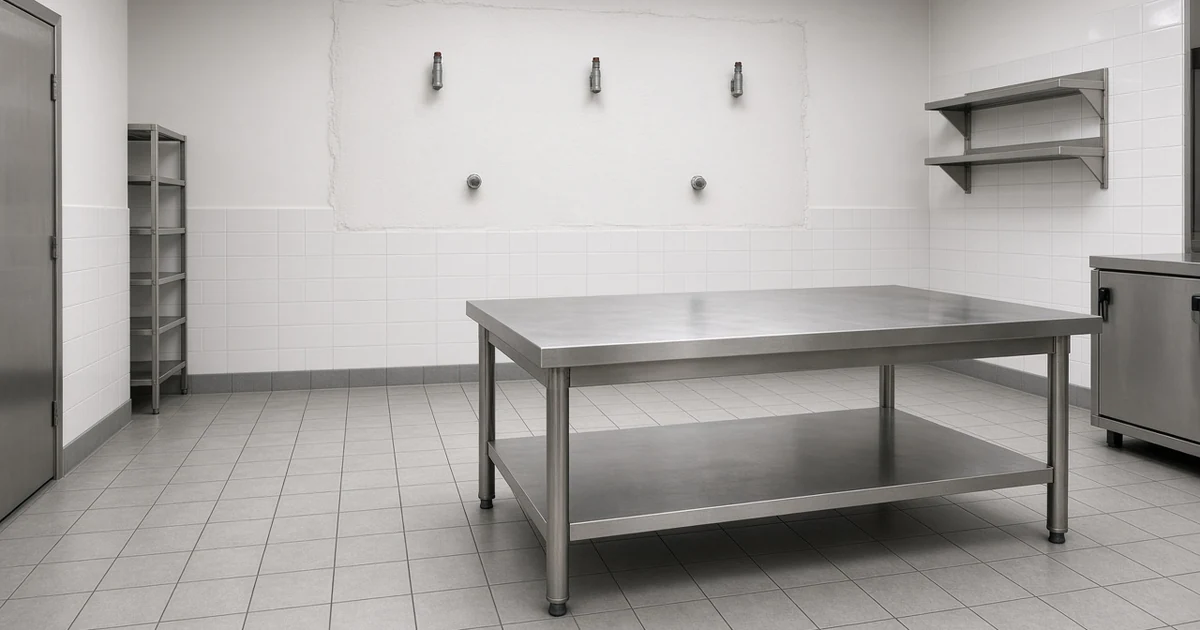
When a restaurant closes or a kitchen is renovated, the equipment is heavy, greasy and mainly metal. A bit of planning splits what can be sold or scrapped from what needs a specialist.
Sell first
Equipment in working order may have resale value, so offer it to other owners or a used equipment dealer before you scrap it.
Stainless steel and other metal
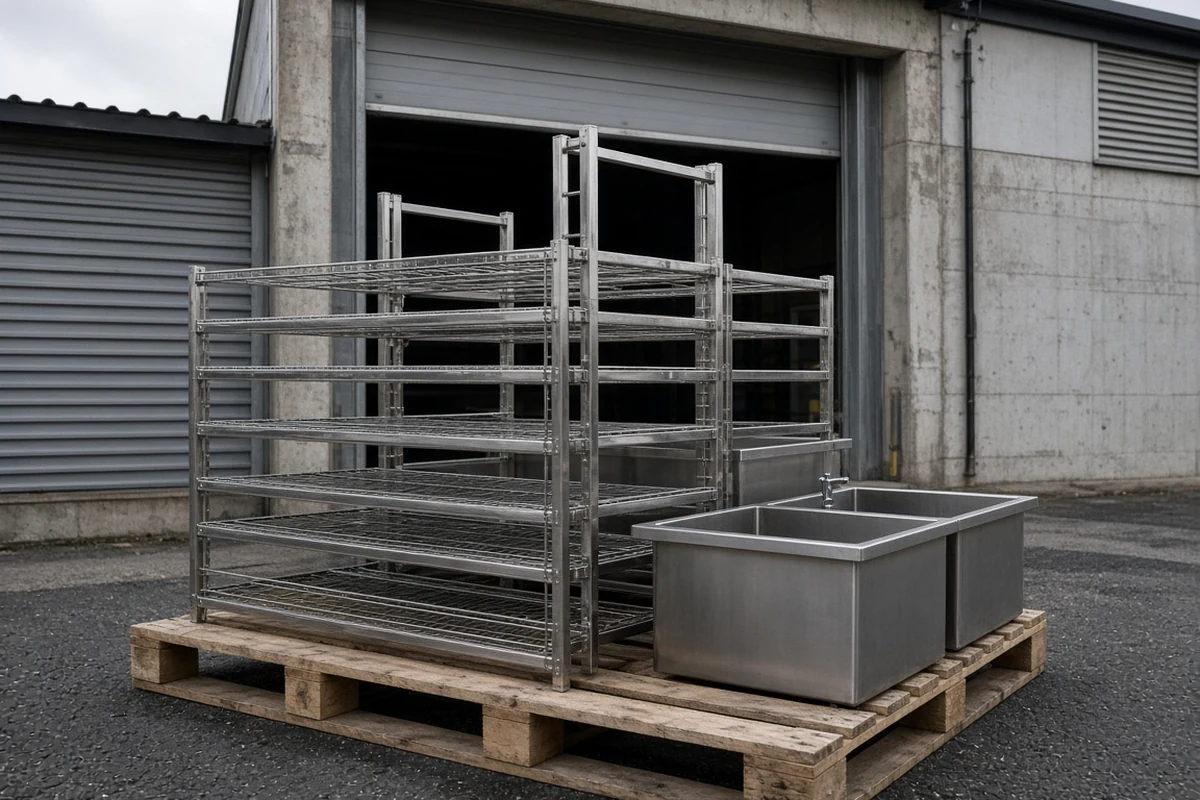
Stainless steel prep tables, sinks, shelving and hoods are scrap metal. Call a scrap yard or recycler, tell them what you have, and ask how they want it prepared. Our metal recycling page explains the process.
Grease and oil never go in a bin
Fryer oil and grease do not go in a bin. Metro Vancouver's residential page says larger amounts of grease and oil, like deep fryer oil, can be dropped off at a recycling depot that accepts it. For a commercial kitchen, call your existing oil collector or see our oil and grease page. Grease coated hoods and ducting can be messy to move, so ask your recycler how they want them prepared.
The grease interceptor
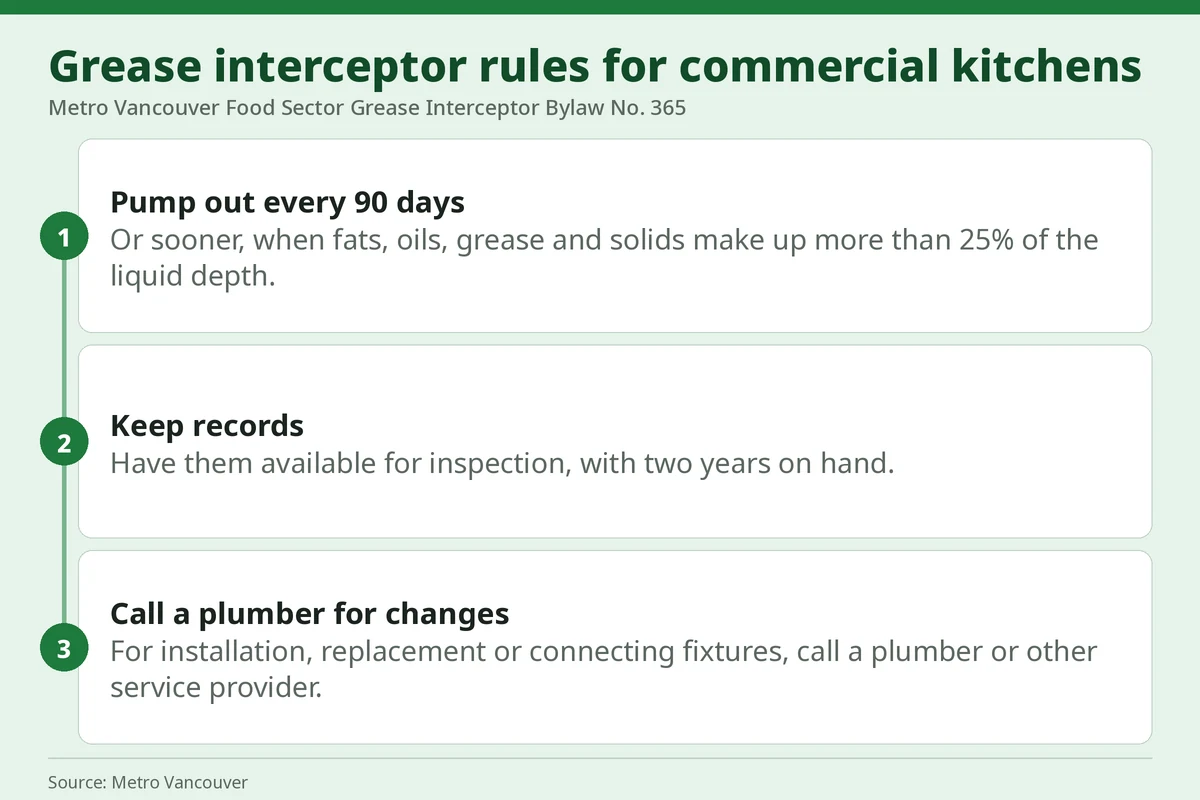
Metro Vancouver's Food Sector Grease Interceptor Bylaw No. 365 requires commercial and institutional kitchens to install and maintain a grease interceptor, with a service provider pumping it out every 90 days or when fats, oils, grease and solids make up more than 25% of the liquid depth. Records must be available for inspection, with two years on hand. If a renovation touches the interceptor, call a plumber or other service provider, as Metro Vancouver advises for installation, replacement or connecting fixtures.
Refrigeration
Walk in coolers, reach in refrigerators and freezers hold refrigerant. BC's Ozone Depleting Substances and Other Halocarbons Regulation says the refrigerant must be recovered using approved devices or methods before the equipment is disposed of, unless it is delivered to a site or facility under an applicable program. Ask your refrigeration contractor to recover it first.
Gas lines and electrical
Equipment that was gas fired or hard wired needs its supply shut off and capped by a qualified tradesperson before it comes out. Do not cut a gas line yourself.
The leftover debris
After the equipment is out, ask us when you book whether a bin suits the general debris, such as old flooring, wall panels and ceiling tile. When we bring a bin, your contractor loads it, and we take it away. A 20-yard bin is where most people start. See our commercial services page. Putting the bin on private property takes no permit. For a bin on the street or lane, confirm with your City first, since some cities need a permit. We time delivery to any permit dates.
FAQ
Does cooking oil go in a bin? No. Fryer oil and grease have their own collection routes.
Does a restaurant need a grease interceptor? Metro Vancouver's bylaw requires commercial and institutional kitchens to install and maintain one.
Who removes the refrigerant from a walk in cooler? BC's regulation says refrigerant must be recovered using approved methods. Ask a refrigeration contractor.
Is stainless steel scrap? Yes. Call a scrap yard and ask how they want it prepared.