
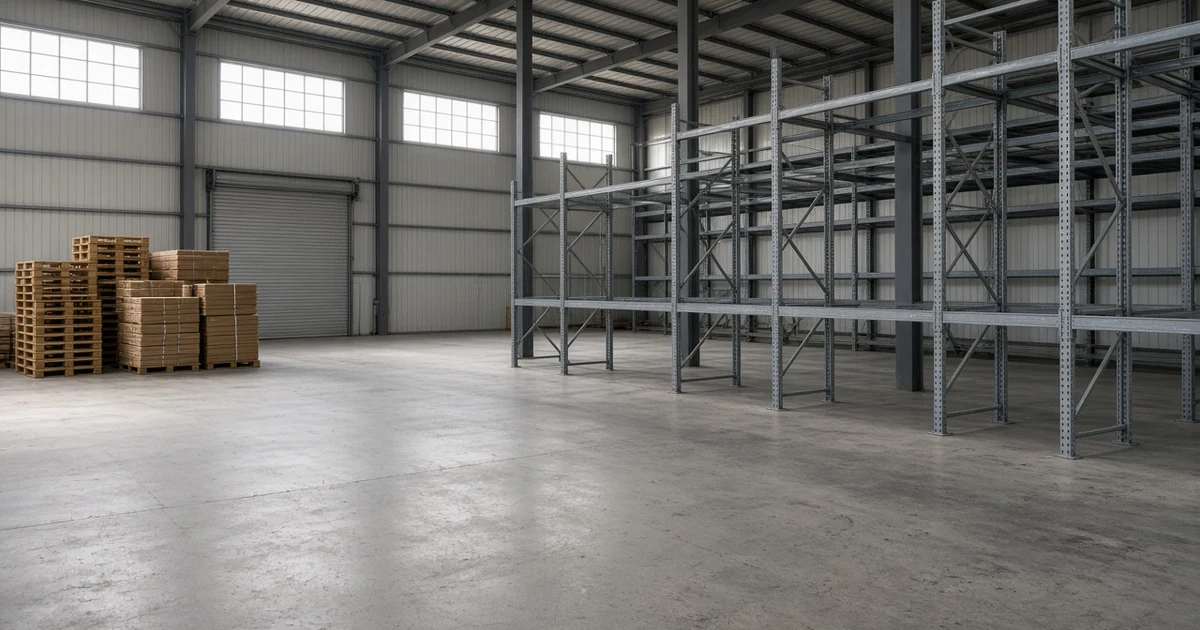
A warehouse or storage yard cleanout looks like one large job and is really a dozen small ones. Pallets, racking, scrap metal, old stock, cardboard, chemicals and plain junk all have separate routes. This guide is a planning outline for the person leading the cleanout. For heavy industrial waste streams, see our industrial page.
Tour the site and make a list
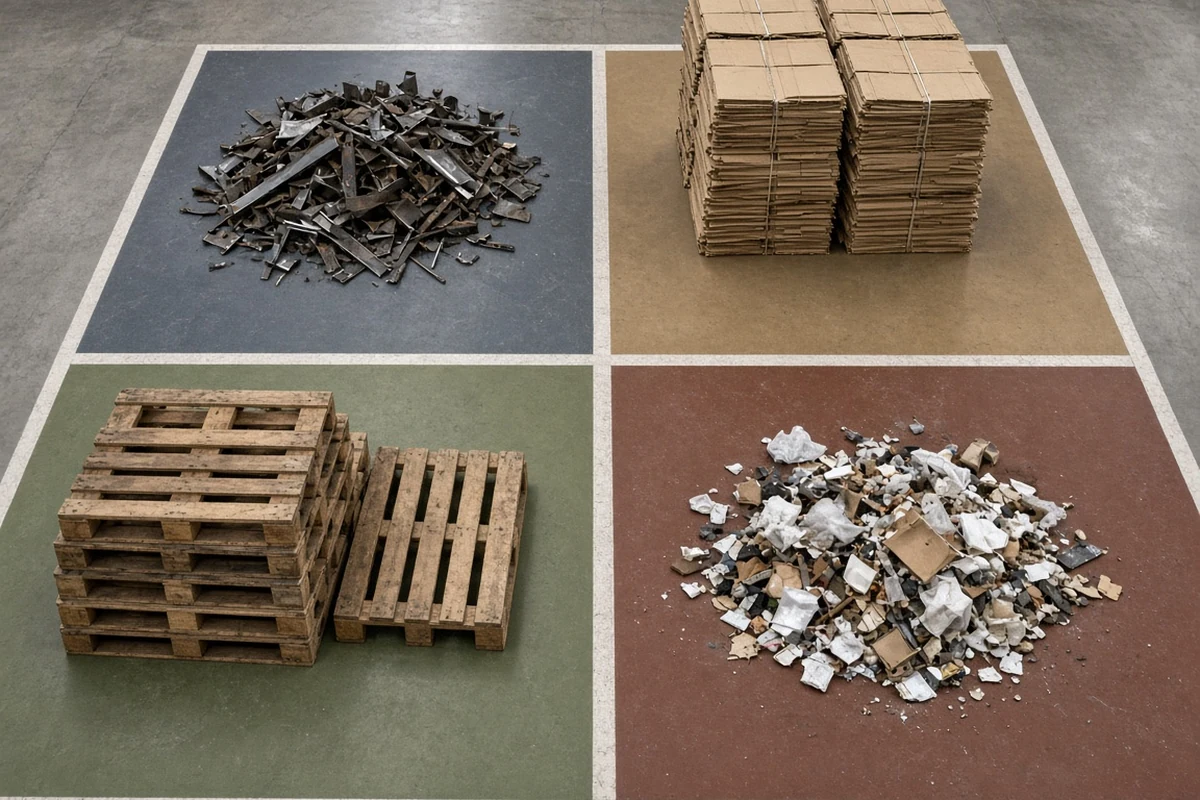
Before anything moves, walk the whole site with a notepad and write down what you see in categories. A good list has:
- Materials you can sell or donate, such as racking, shelving, pallets in good shape and surplus stock
- Scrap metal
- Cardboard and paper
- Clean wood
- Hazardous or regulated items, such as chemicals, paint, batteries, oil, propane and electronics
- Everything else
The hazardous category deserves the most attention. Metro Vancouver's disposal ban manual lists hazardous waste, liquids and sludge, propane tanks, oil and oil containers, paint, solvents, batteries, tires and electronic and electrical products as banned from disposal. You can find the practical list in our what not to put in a bin post.
Know the rules that apply to the load
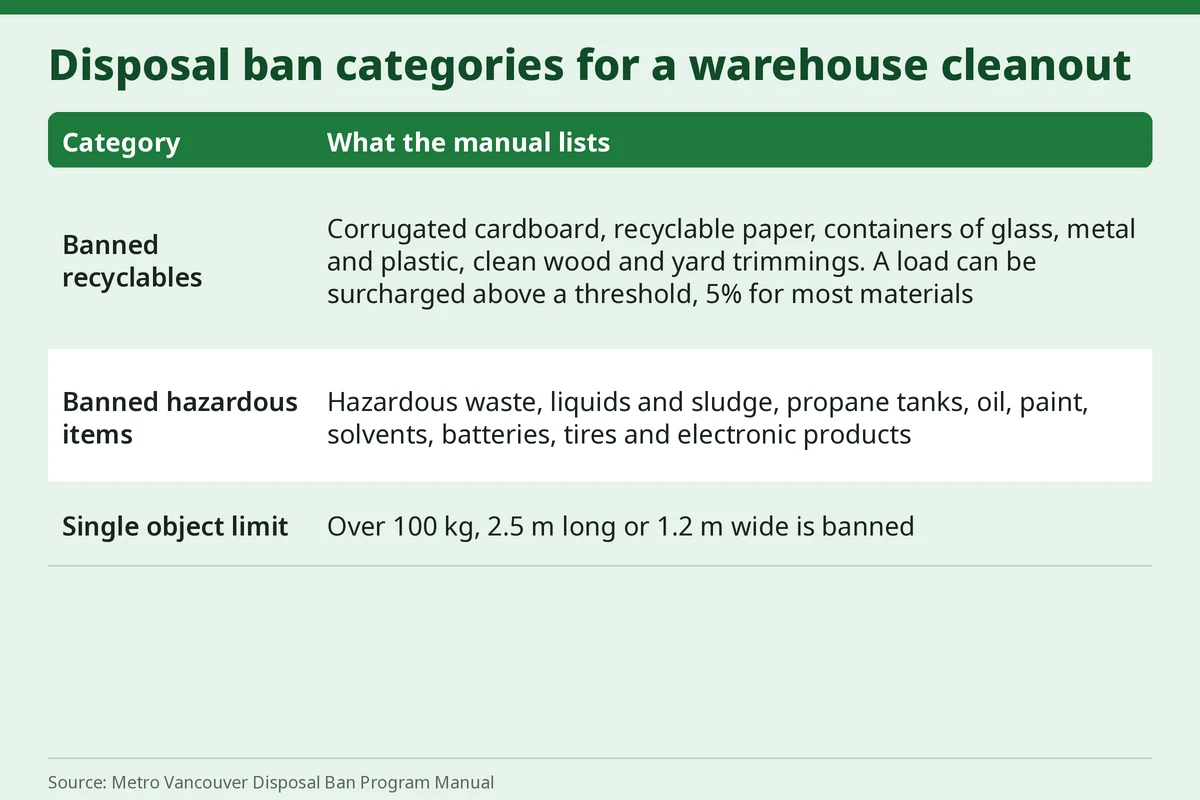
The same manual lists corrugated cardboard, recyclable paper, containers of glass, metal and recyclable plastic, clean wood and yard trimmings as banned recyclable materials. It says inspectors check loads and that a load can be surcharged when a banned material is above a threshold, which for most materials is 5%. Loads are checked at Metro Vancouver disposal sites, so sorting at the warehouse matters.
The manual also bans single objects over 100 kg, 2.5 metres long or 1.2 metres wide. If you have a long steel rack or a heavy machine, plan a separate route for it. Call the facility or a scrap metal recycler before you load it.
Older buildings and asbestos
If the cleanout is part of a bigger renovation or demolition, test for asbestos first. WorkSafeBC says homeowners, strata councils and property managers need to get a building tested before renovation or demolition, and that licensed surveyors and abatement contractors must be used.
Plan the bins
For the general junk that is left, ask us when you book whether a bin suits your cleanout. Our junk bins come in 20, 30 and 40-yard sizes, which can handle a large cleanout. Metal can be set aside for a scrap yard, and cardboard and clean wood each have their own route. We bring the bin, you load it, and we take it away. Ask when you book about the number of swaps for a large site. See our commercial services page.
Putting the bin on private property takes no permit. Some cities need a permit for a bin on the street or lane, so confirm with your City before you book. Your landlord or property manager may have rules too. We time delivery to your permit dates.
FAQ
What are the first steps for a warehouse cleanout? Walk the site and sort what you find into categories, with hazardous items first.
Are there size limits on single items at disposal sites? Metro Vancouver's disposal ban manual bans single objects over 100 kg, 2.5 metres long or 1.2 metres wide.
Can cardboard go in the garbage? Corrugated cardboard is on Metro Vancouver's banned recyclable list. Loads with too much of it can be surcharged.
What size bin should I ask about? The 20, 30 and 40-yard junk bins. Ask when booking about what fits.