
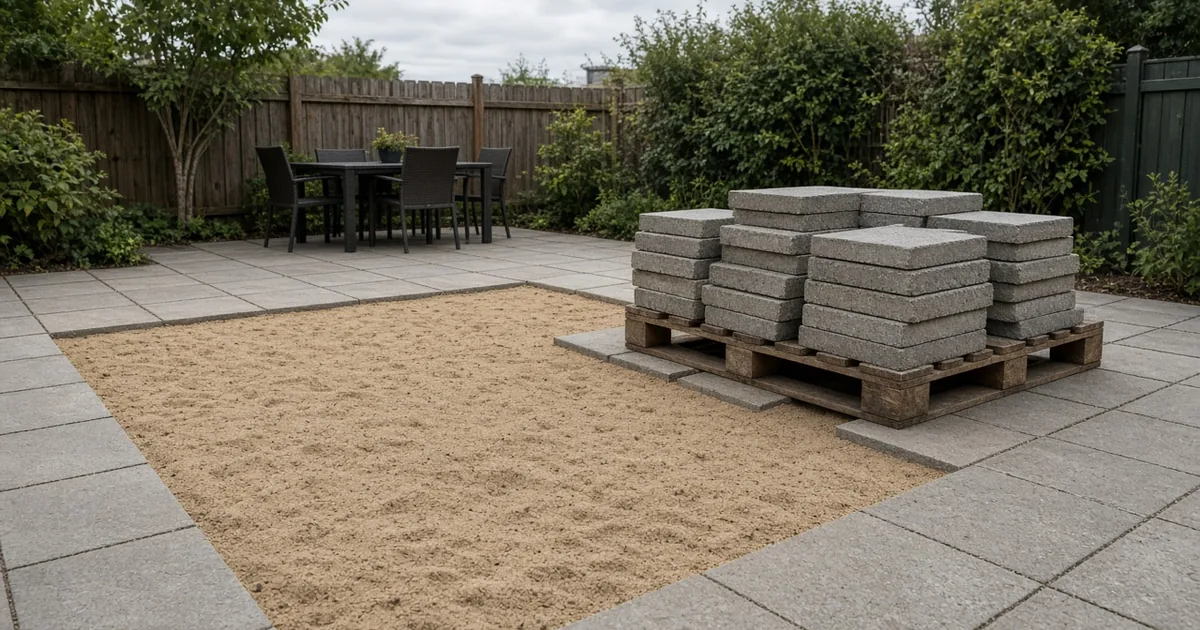
Old pavers and brick are heavy and often still sound. Before anything goes to disposal, ask whether someone else can take them. Here is how to work it through.
Reuse first
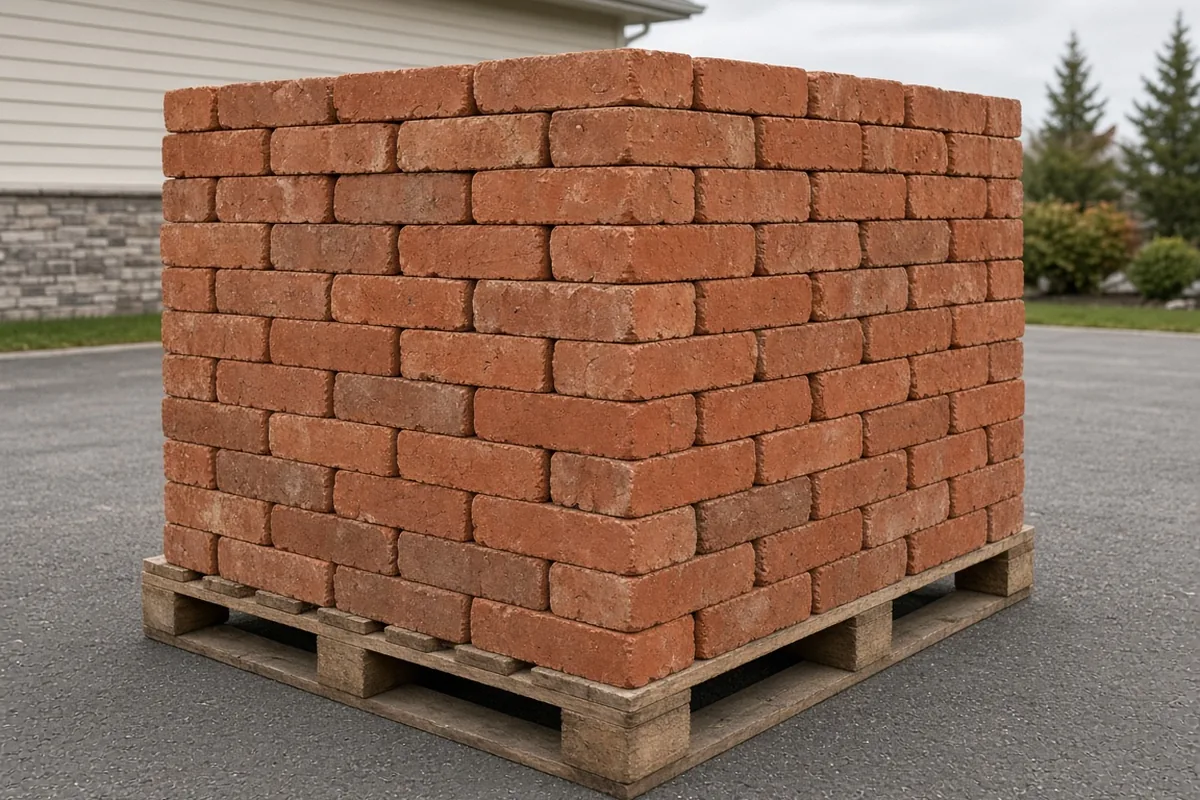
Pavers, brick and landscape stone are durable materials. If they are intact, you can reuse them in another part of the lot, sell them or give them away. Lift them carefully, brush off the sand and stack them on pallets so a buyer can see what is there. Chipped or mortared pieces are harder to move on.
What Metro Vancouver says
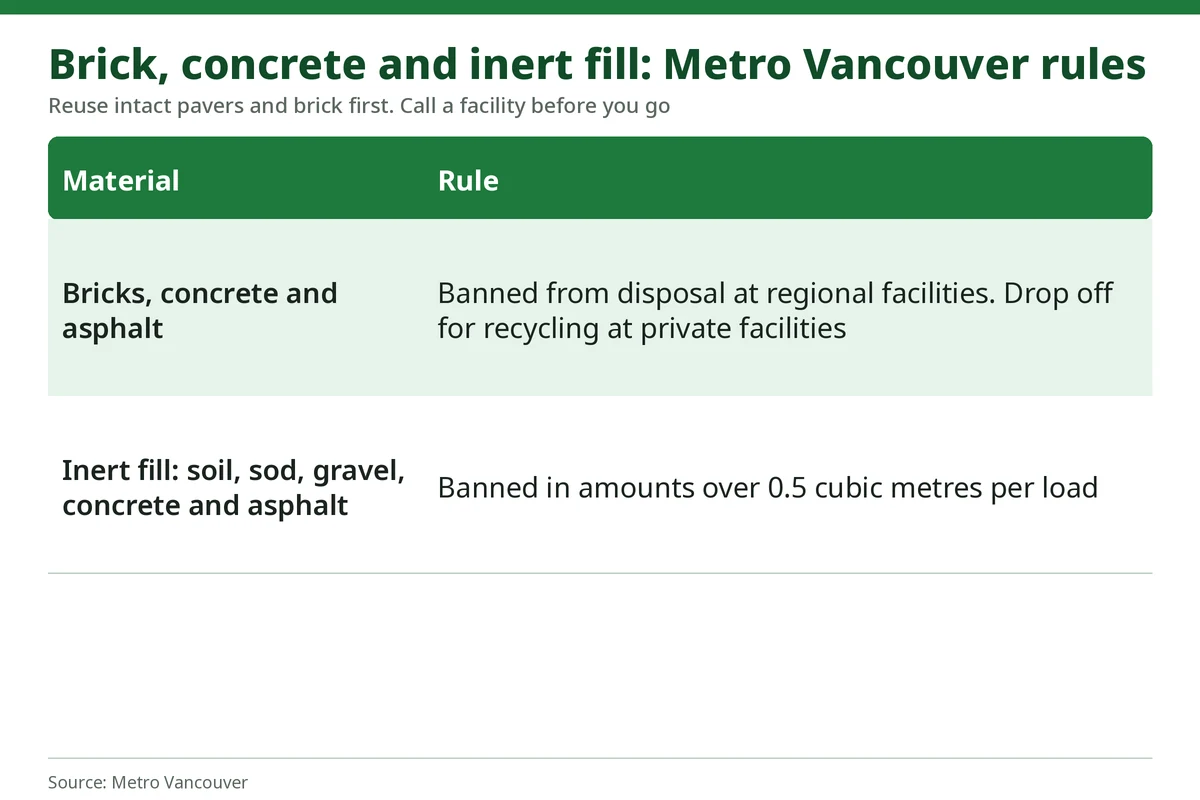
Metro Vancouver's construction and demolition toolkit lists bricks, defined as masonry walls, walkways and backyard installations, among building materials banned from disposal at regional facilities. They can be dropped off for recycling at a number of private facilities in the region. The toolkit lists concrete and asphalt in the same group. Ecowaste, a local recycler, lists concrete recycling among its services on its website. Call a facility to ask about pavers and brick before you go, since each sets its own rules.
Metro's disposal ban manual separately bans inert fill, including soil, sod, gravel, concrete and asphalt, in quantities over 0.5 cubic metres per load.
Breaking and cutting
Cutting or breaking stone, brick and concrete makes silica dust. Metro Vancouver's toolkit lists silica as a hazardous material on sites, and names concrete, block, mortar, masonry, tiles, brick, sand, granite and fill dirt as sources. Keep material damp, work outdoors and wear a dust mask rated for it.
Call before you dig
If lifting the pavers means digging out the base, BC 1 Call's homeowner page lists building patios and decks among the outdoor projects that need a locate request. It is free.
Sand and base material
Under pavers there is usually a bed of sand and gravel. These are different materials from the pavers themselves. Sand goes in its own 10 or 12-yard bin, and gravel can go in its own 10 or 12-yard bin or with the sand. If you will be digging, the soil goes in its own bin as well. See our concrete page and our post on concrete and dirt disposal.
Planning the bin
Concrete goes in its own 10 or 12-yard bin. It stays out of junk. Pavers and brick do not go in the concrete bin. They can share a 10 or 12-yard bin with each other, kept apart from everything else. Ask about landscape stone when you book. We take care of getting the bin to you and hauling it away. You take care of the loading. You do not need a permit for a bin on your driveway. A street or lane spot is different, since some cities need a permit for it. Confirm with your City before you book. We will line delivery up with any permit dates.
FAQ
Can I put pavers in the garbage? Metro Vancouver's toolkit lists bricks, including walkways and backyard installations, among materials banned from disposal. They go to recycling facilities.
Are pavers and brick a silica hazard? Metro Vancouver's toolkit lists brick, masonry and concrete among silica sources. Keep dust down when you cut or break them.
Can pavers go in the concrete bin? No. Pavers and brick go together in their own 10 or 12-yard bin.
Do I call before I dig? BC 1 Call lists building patios among projects that need a locate request.